
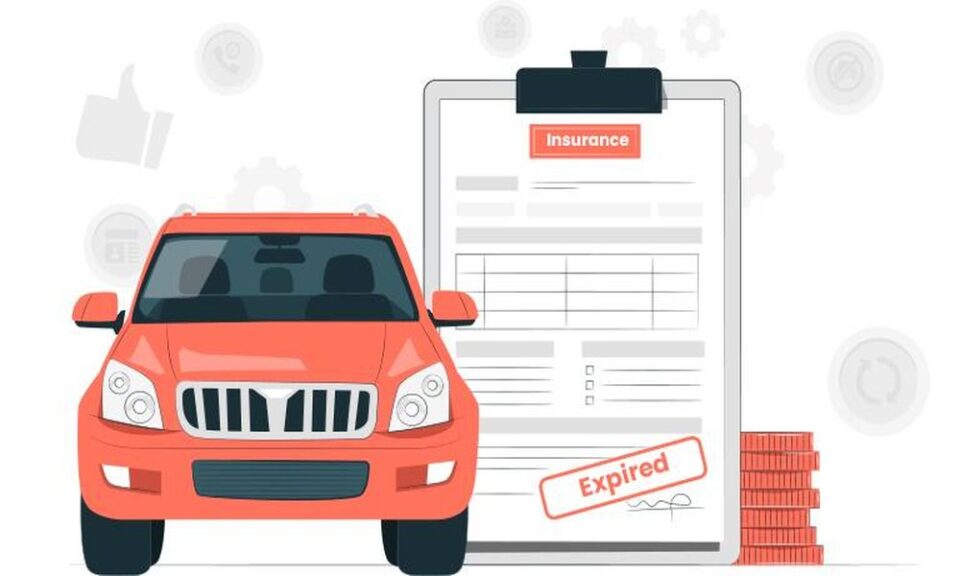
If your car insurance policy has expired, your car is no longer insured, and driving it puts you at legal and financial risk right away. In India, even a one-day lapse can leave you without valid third-party cover, and any accident, damage, or roadside check can quickly become a costly problem.Think of a common morning scenario: you are about to leave for work, open your insurer app, and notice the policy expired last night. If the lapse is very recent, renewal may be quick online. If it has been longer, the insurer may ask for a vehicle inspection, fresh details, or revised pricing.
Renew first, then drive.
This guide explains what happens after expiry, how insurance lapse renewal usually works, what documents and checks you may need, and whether benefits like No Claim Bonus can still survive. It also clears up common myths, including the policy expiry grace period, so you know the safest next step.
The moment your car insurance expires, your financial risk jumps
The moment your car insurance expires, you are no longer actively protected, and any accident after that can become your direct financial problem.That means your insurer will generally not pay for damage during the lapsed period, whether it is your own repair bill or liability arising from an accident, as per applicable legal requirements and insurer terms. If you discover the expiry on a busy weekday morning and still drive to work, even a small bumper hit can turn into an out-of-pocket expense.The risk is bigger than many drivers assume because two exposures open up at once:
- You may lose own damage cover for repairs to your car
- You may face third-party cover issues if the policy is not active
- You may also run into trouble during traffic checks
A common misunderstanding is that a short delay is harmless. In practice, once the policy is inactive, claims for incidents in that gap are generally not payable, and legal liability does not pause just because renewal was missed.
If the policy has expired, do not drive first and renew later.
That one delay can cost far more than the premium.
What usually happens in india after a policy lapse
What happens after a lapse mainly depends on how recently your policy expired and how long the gap has lasted.If the miss is very recent, many insurers in India may still let you renew fast, but you are usually uninsured during the expired period. That means no valid claim for an accident, theft, or damage that happens after expiry and before renewal. A short delay may also still allow continuity benefits, subject to insurer terms and IRDAI-linked rules.If the gap is longer, the process often gets stricter. You may be asked for vehicle inspection before renewal, and your own damage cover can be affected more than third-party cover depending on the insurer’s rules. No Claim Bonus and other continuity-linked benefits may also need closer review.Say you notice the car insurance policy expired 7 days ago, just before your office commute. You can renew it, but you should not drive assuming you are protected for that week. If the car had a dent or accident during those 7 days, that loss usually stays on you.
How to renew an expired car insurance policy without confusion
Yes, an expired car insurance policy can often be renewed, but the exact process depends on your insurer and how long the policy has been inactive.If you noticed the lapse before tomorrow’s office commute, act today rather than driving uninsured. A short gap is usually easier to fix online, while a longer lapse may trigger extra checks under insurer rules and IRDAI-linked requirements.
Renew first, then drive.
- Check the exact expiry date
Look at the old policy document or app and confirm when cover ended. This tells you whether you are still within a policy expiry grace period for some benefits or already fully uninsured.
- Compare renewal options
Check your current insurer first, then compare other plans if the premium feels high. See whether you want only third-party cover or to add own damage cover again.
- Confirm if inspection is needed
After a longer lapse, insurers may ask for fresh photos or a vehicle inspection. They do this to verify the car’s present condition and reduce disputes on pre-existing damage.
- Submit vehicle and personal details
Keep registration number, previous policy details, fuel type, and ID basics ready. Enter everything carefully to avoid claim or endorsement issues later.
- Review premium and benefits
Check add-ons, deductible, and No Claim Bonus status before paying. Insurance lapse renewal terms can differ, especially if the break has been long.
- Complete payment and download the policy
Pay only after reviewing all details. Once issued, save the new document on your phone and verify the start date immediately.
Documents, checks, and costs you should be ready for
Renewal gets much faster when your papers and verification details are ready before you start.Keep this checklist handy, especially if you noticed the expiry while leaving for work and need to fix it quickly on your phone:
- Vehicle registration number and RC details
- Previous car insurance policy number, insurer name, and expiry date
- Owner name, mobile number, email, and address
- Car make, model, variant, fuel type, and registration year
- Claim history and available No Claim Bonus details
- Recent odometer reading, photos, or vehicle inspection inputs if the insurer asks
Costs may change even for the same car. Your premium can go up or down based on cover chosen, insurer pricing, add-ons, inspection findings, and whether a break in benefits applies after a lapse.
If the policy has been expired for a while, expect extra verification before approval.
Here is a simple comparison of what usually changes with a short versus longer lapse:
- Very recent expiry: Faster online renewal may be possible
- Longer lapse: Inspection, fresh photos, or stricter checks may apply
- During the lapsed period: New accidents or damage are usually not covered
- After renewal: Premium and benefits may differ based on insurer terms
But wait: does expiry always mean you lose every benefit?
No, expiry does not always wipe out every benefit, but what stays alive depends on your insurer, how long the lapse lasted, and the applicable rules. A short policy expiry grace period may let you renew fast with less friction, but it usually does not mean a fresh accident after the expiry date is covered.
If the policy has expired, assume you are uninsured for any new accident until renewal is confirmed.
Some benefits may still survive briefly. For example:
- No Claim Bonus may remain transferable if you renew within the insurer’s allowed window
- Immediate renewal may avoid a full vehicle inspection after a very short lapse
The tradeoff is simple: convenience after lapse is not the same as protection during lapse. Check insurer terms and current IRDAI guidance before relying on any old benefit.
What to do next if your policy has already expired
Once you know the policy has lapsed, the safest move is simple: stop driving the car until cover is active again, and start renewal right away. Even one office commute without valid insurance can expose you to legal trouble, repair bills, and claim rejection.
Do not use the vehicle until the renewed policy is issued.
- Check the expiry date and current policy status.
- Keep RC, previous policy, ID, and vehicle details ready.
- Ask the insurer for renewal of your car insurance policy.
- Complete vehicle inspection if required.
- Pay, confirm issuance, and save the soft copy immediately.
Conclusion
An expired policy should be renewed as soon as possible because the risk starts the moment cover stops. Once renewed, take one extra minute to check if your current car insurance still fits your commute, parking, city traffic, and budget.
