

Buying a used truck can be a very smart decision. It offers great value and power for your money. But this big purchase needs careful thought. We understand you want to make the best choice.
How can you be sure you are picking a reliable truck? How can you avoid unexpected repairs later on? This is where a thorough inspection comes in.
We are here to help you feel confident. This guide will walk you through every important step. We will cover the truck’s history and paperwork. We will look at its exterior, interior, and mechanical parts. Finally, we will prepare you for the all-important test drive. Our goal is to give you peace of mind with your next used truck.
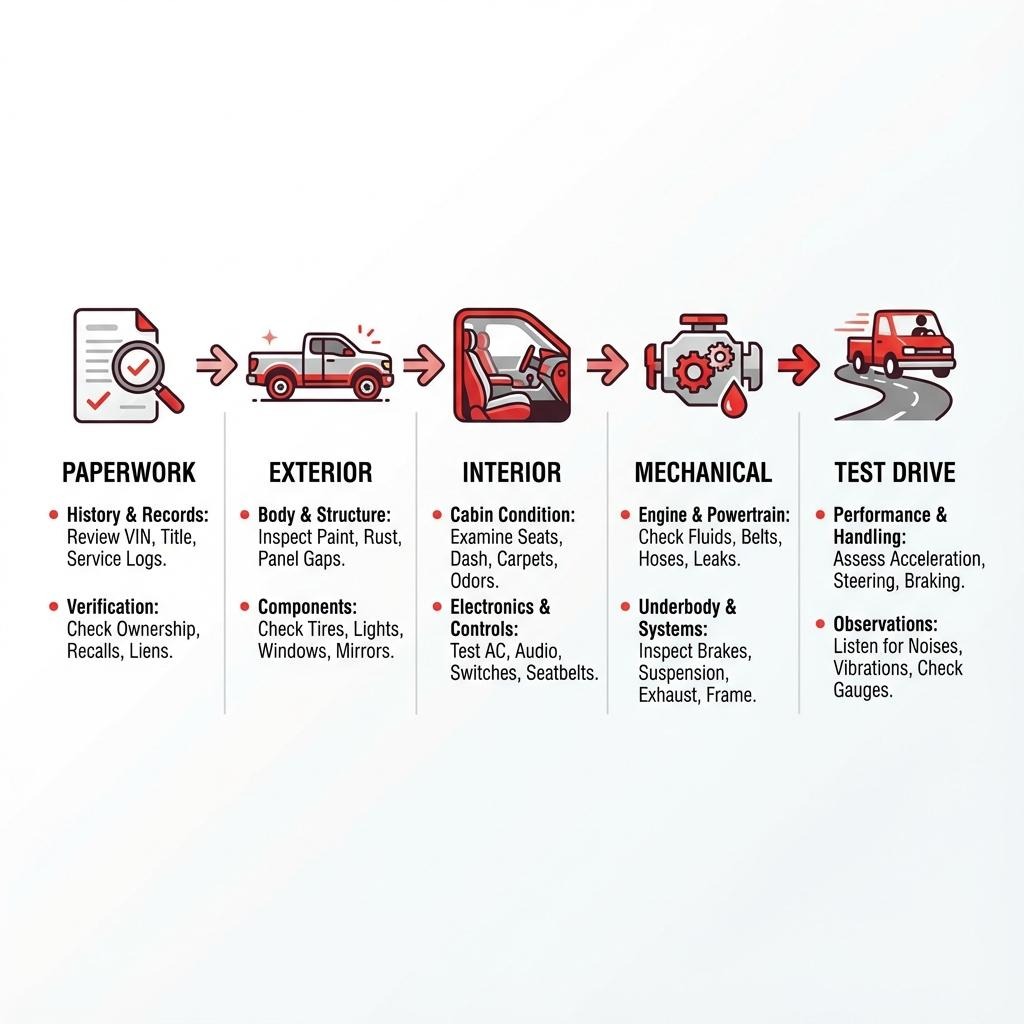
Pre-Inspection Homework: VIN and Vehicle History
Before you even set foot on a lot, a significant portion of your inspection homework can be completed from the comfort of your home. This initial research is crucial for filtering out potentially problematic vehicles and ensuring you focus your efforts on trucks with a cleaner past. Our primary tools here are the Vehicle History Report and a thorough VIN check. These resources provide a digital footprint of the truck’s life, revealing critical information that might not be immediately apparent during a physical inspection.
A comprehensive Vehicle History Report is non-negotiable when considering a used truck. This report compiles data from various sources, including state DMVs, police departments, insurance companies, and repair shops, to give you a detailed overview of the vehicle’s past. It’s an invaluable asset in making an informed decision.
The First Step in Buying a Used Truck: Decoding the VIN
Every vehicle has a unique 17-character Vehicle Identification Number (VIN), a digital fingerprint that open ups its entire history. Performing a VIN check is the gateway to understanding a truck’s past. You can typically find the VIN on the driver’s side dashboard (visible through the windshield), on the driver’s side door jamb, or on the vehicle’s registration and insurance documents.
Once you have the VIN, you can use it to access a wealth of information. The National Highway Traffic Safety Administration (NHTSA) offers a free VIN lookup tool that can reveal if a vehicle has any unfixed safety recalls. This is a crucial first step, as recalls can indicate potential safety hazards that need to be addressed. Beyond recalls, a VIN check through a reputable vehicle history service can uncover more serious issues. For instance, it can tell you if the truck has ever been issued a salvage title, which means an insurance company declared it a total loss due to severe damage (e.g., accident, fire, flood). A salvage title often makes a vehicle much harder to insure and can signal underlying structural problems, even if it has been “rebuilt.” Similarly, evidence of flood damage is a major red flag, as water can corrode electrical systems and mechanical components over time, leading to unpredictable and costly failures.
The VIN check can also provide insights into the truck’s maintenance history. While not always exhaustive, it might show records of oil changes, tire rotations, and other routine services. A consistent maintenance record suggests a responsible previous owner, which is a good indicator of the truck’s overall health. Conversely, a lack of records could mean neglect. Furthermore, some reports can indicate if the truck was a one-owner vehicle, which often implies a more straightforward history and potentially better care. Finally, always verify the odometer check against the vehicle history report to ensure there’s no discrepancy, which could indicate odometer tampering—an illegal practice.
Understanding a Vehicle’s Past
Beyond the basic VIN check, a detailed Vehicle History Report dives deeper into the truck’s past, providing crucial context for your inspection. These reports are designed to give you a comprehensive picture, helping you avoid costly mistakes.
One of the most important aspects covered by these reports is accident reports. They detail any reported collisions, including the date, location, and severity if available. While minor fender benders might not be deal-breakers, understanding the extent of any damage and subsequent repair quality is vital. Poorly repaired accident damage can lead to long-term issues like misaligned frames, persistent leaks, or electrical problems. If a major accident is reported, we recommend exercising extreme caution and definitely getting a professional pre-purchase inspection.
The report will also confirm the truck’s title status. Beyond salvage, other title brands like “rebuilt,” “junk,” or “lemon” can indicate significant issues. A “lemon” title, for example, means the vehicle had recurring, unfixable defects while under warranty. It’s essential to understand what each title brand signifies and how it might impact the truck’s value, safety, and insurability.
Another critical piece of information is the lien status. This tells you if there’s any outstanding debt against the vehicle. You never want to buy a truck with a lien attached, as the lender could repossess it. The seller must clear any liens before the sale can be finalized.
Finally, these reports often include detailed service records. These records can confirm regular maintenance, highlight recurring issues, and show if specific parts have been replaced. A truck with a documented history of routine service is generally a safer bet than one with a spotty or non-existent record.
When choosing a provider for your vehicle history report, several reputable options exist. We recommend using one of the following:
- CARFAX
- AutoCheck
- Experian AutoCheck
- National Motor Vehicle Title Information System (NMVTIS)
These reports typically come with a fee, but the peace of mind and potential savings from avoiding a problematic truck far outweigh the cost.
The Exterior and Structural Walk-Around
With your pre-inspection homework complete, it’s time to get up close and personal with the truck. The exterior and structural walk-around is your opportunity to play detective, looking for visual clues that tell a story about the truck’s life. This stage is about identifying any signs of accidents, rust, neglect, or wear and tear that could indicate deeper problems.
We begin by examining the truck from all angles, paying close attention to its overall stance and symmetry. Look for any inconsistencies in the bodywork, uneven gaps, or paint differences that might suggest previous repairs.
Checking for Rust and Frame Damage
Rust is a common enemy of trucks, especially in regions with harsh winters or coastal environments. While some surface rust on non-structural components might be cosmetic, structural rust is a serious concern that can compromise the truck’s integrity and safety. We need to differentiate between the two.
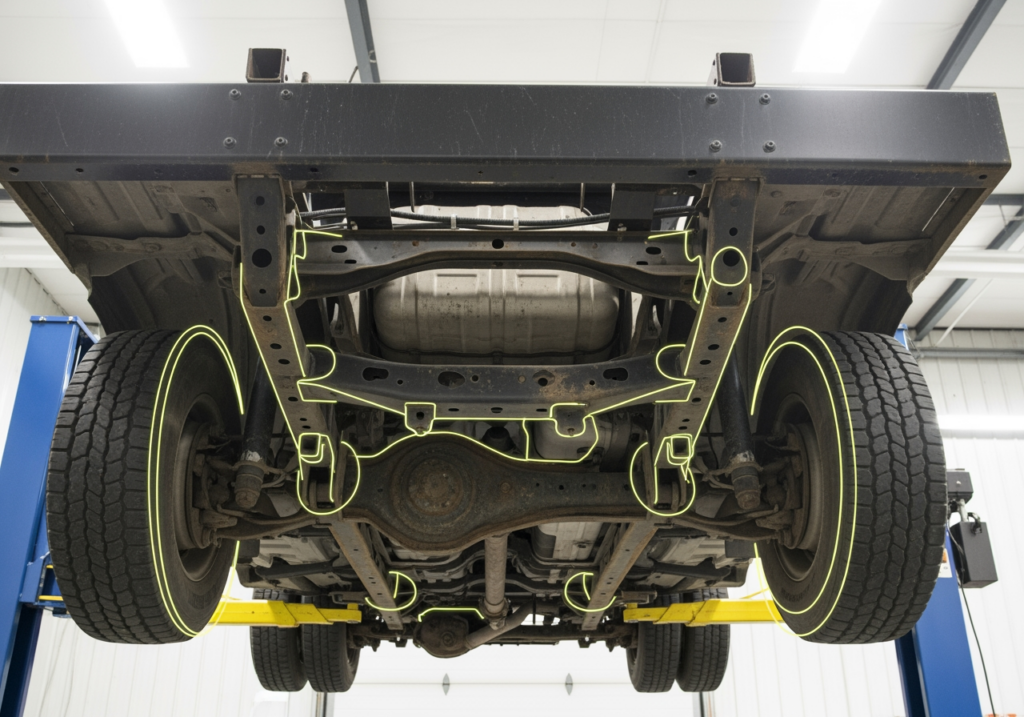
Start by getting underneath the truck if possible and safe to do so. Inspect the frame rails that run the length of the vehicle. Look for any significant corrosion, flaking metal, or holes. Pay particular attention to welds and joints, as these are often vulnerable points. Excessive rust on the frame can indicate a truck that has been exposed to salt, water, or simply neglected for a long time. It can also be a sign of a truck that has been heavily used for off-roading or towing beyond its capacity.
Also, examine the cab mounts and bed supports. These are critical points where the body connects to the frame. Rust here can lead to a loose cab or bed, causing squeaks, rattles, and even dangerous structural failure. Any signs of severe rust in these areas should be a major red flag.
Beyond rust, look for any evidence of frame damage. This could manifest as bends, kinks, or cracks in the frame rails. Uneven gaps between body panels (e.g., between the cab and the bed, or around the hood and fenders) can also be a telltale sign of a truck that has been in a significant accident and not properly repaired. If you suspect frame damage, a professional inspection is absolutely essential, as a compromised frame can affect handling, tire wear, and crash safety.
Inspecting Tires, Glass, and Body Panels
Next, we shift our focus to the truck’s contact points with the road and its outer shell. The condition of the tires, glass, and body panels can reveal a lot about how the truck has been driven and cared for.
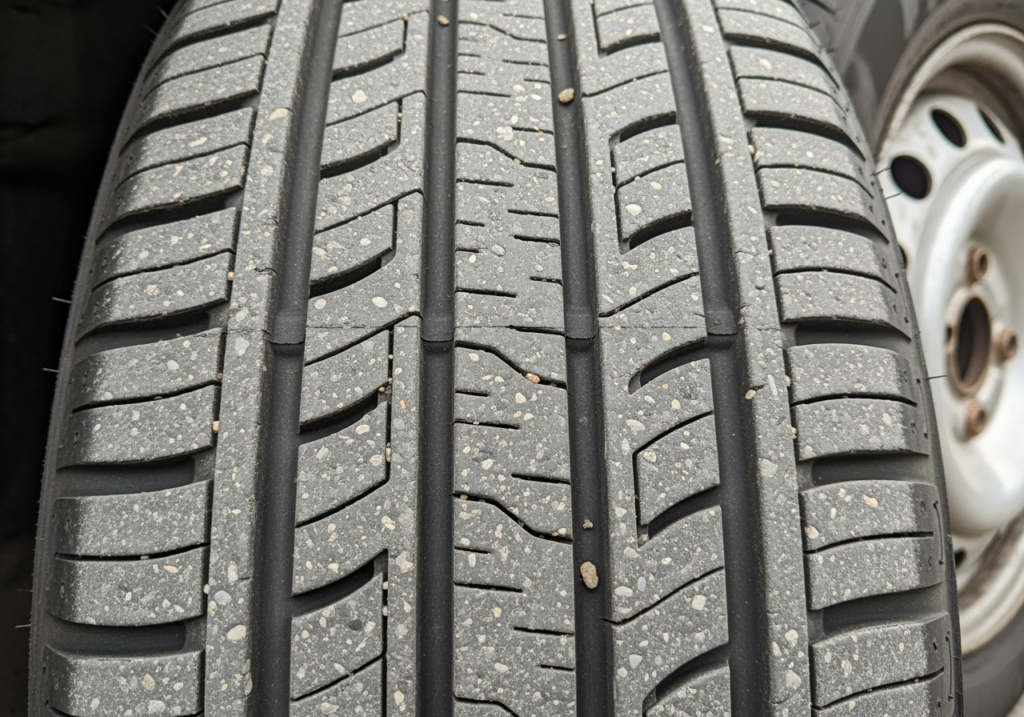
First, let’s look at the tires. All four tires should be the same brand and model, and ideally, have similar levels of tire tread remaining. Uneven tire wear (e.g., more wear on one side of the tire, or cupping patterns) can indicate underlying issues such as poor alignment, worn suspension components, or improper tire inflation. Use a tread depth gauge (or the “penny test”) to ensure there’s sufficient tread for safe driving. Also, check the age of the tires; tires older than six years, regardless of tread, should be replaced.
Move on to the glass. Inspect the windshield for any cracks, chips, or pitting that could obstruct your view or compromise its structural integrity. Small chips might be repairable, but large cracks usually require a full replacement. Also, check the side windows and rear window for damage and ensure they operate smoothly.
Finally, carefully examine all body panels. Look for any obvious dents and scratches, which are common on used trucks but can give you leverage for negotiation. More importantly, look for signs of previous repairs. This includes paint that doesn’t match the rest of the truck, overspray on trim pieces, or ripples in the bodywork. Run your hand along the panels to feel for inconsistencies. Pay attention to the alignment of the doors, hood, and tailgate – they should open and close smoothly and fit flush with the surrounding panels. If you notice any significant discrepancies, it could point to accident damage that wasn’t properly disclosed or repaired.
Interior and Electronics: Assessing Wear and Functionality
Once the exterior has been thoroughly scrutinized, it’s time to step inside and assess the cabin. The interior of a used truck can tell you a lot about how the previous owner treated the vehicle and how much wear and tear it has endured. This section focuses on the condition of the upholstery, the functionality of all electronic systems, and any subtle clues that might indicate hidden problems.
As you open the door, take a moment to notice any lingering odors. A strong smell of smoke, pet odors, or mildew can be difficult to remove and might indicate water leaks or poor ventilation.
Testing All Onboard Electronics
Modern trucks are packed with technology, and it’s crucial to ensure everything is in working order. This isn’t just about convenience; many electronic components are integral to the truck’s safety and functionality.
Start by turning the ignition to the “on” position (without starting the engine) and observe the dashboard warning lights. All warning lights should illuminate briefly and then extinguish. If any remain lit, it indicates an active problem that needs investigation. These could include check engine, ABS, airbag, or tire pressure monitoring system (TPMS) lights.
Next, systematically test every electronic feature. This includes:
- Infotainment system: Turn it on, test the radio, Bluetooth connectivity, and navigation (if equipped). If the truck boasts features like Apple CarPlay/Android Auto, connect your phone to ensure seamless integration.
- Power windows: Operate each window up and down several times. Listen for any grinding noises or slow operation.
- Power locks: Test all door locks, including the tailgate lock if it’s electric.
- Seat adjustments: If the seats are power-adjustable, test all directions (forward, backward, recline, lumbar support).
- HVAC system test: Turn on the air conditioning and heater. Ensure both blow strong and reach their respective temperatures quickly. Test all fan speeds and vent settings.
- Wipers and washers: Test both front and rear wipers (if applicable) and ensure the washer fluid sprays correctly.
- Lights: Check all interior lights, headlights (high and low beams), taillights, brake lights, turn signals, and hazard lights.
- Mirrors: Test power-adjustable side mirrors.
- 4×4 selector: If it’s a 4×4 truck, engage the 4WD system (if safe to do so, and only on a loose surface or as per manufacturer instructions) to ensure it activates properly.
Don’t forget to test smaller items like the horn, cigarette lighter/power outlets, and USB ports. A fully functional electrical system is a good sign of a well-maintained vehicle.
Looking for Signs of Hidden Damage
Beyond electronic functionality, the interior can also harbor subtle clues about the truck’s history, especially regarding potential water damage or heavy use.
Carefully inspect the upholstery condition on all seats. Look for tears, excessive wear, stains, or cigarette burns. While normal wear is expected, significant damage can be costly to repair. Pay attention to the driver’s seat, as it typically shows the most wear.
Check the carpets and floor mats for water stains or dampness. Lift up the floor mats and inspect the carpet underneath. Water stains, especially in the footwells or under the seats, can be a sign of leaks, which could lead to mold, mildew, and electrical problems. A persistent musty smell is another strong indicator of water intrusion.
Examine the headliner (the fabric on the ceiling) for any sagging, discoloration, or water marks. These can also point to leaks, especially around sunroofs or roof-mounted accessories.
Look at the worn pedals (accelerator, brake, clutch). While some wear is normal, excessively worn pedals on a low-mileage truck might suggest odometer tampering. Similarly, if the new vs. original upholstery seems inconsistent (e.g., a brand-new driver’s seat cover but worn passenger seats), it could be an attempt to mask previous damage or heavy use.
Finally, check the condition of the steering wheel, gear shifter, and door handles. Excessive wear on these high-touch surfaces can give you an idea of the truck’s actual mileage and how much it has been used. The interior should generally reflect the mileage and age of the vehicle.
Mechanical Checks: The Core of Buying a Used Truck
This is where the rubber meets the road, quite literally. The mechanical inspection is perhaps the most critical part of evaluating a used truck. It requires a keen eye for detail and an understanding of what to look for under the hood and beneath the vehicle. While a professional mechanic’s opinion is invaluable here, knowing what to check yourself can help you identify obvious issues and ask informed questions.
We’ll start with the engine bay, moving to the undercarriage components that dictate ride quality and safety.
Under the Hood: A Visual Inspection
Pop the hood and take a deep breath – literally. Any unusual smells, like burning oil or coolant, are immediate red flags. We’re looking for signs of leaks, corrosion, and general neglect.
Start by checking the fluid levels and condition:
- Engine oil: Pull the dipstick, wipe it clean, reinsert, and pull it out again. The oil should be amber or light brown. Black, sludgy, or milky oil indicates a problem. Milky oil can signal a blown head gasket or coolant mixing with oil.
- Transmission fluid: On some trucks, this can be checked with a dipstick (engine running, in neutral or park, consult owner’s manual). It should be reddish and clear, not brown or burnt-smelling.
- Brake fluid: Check the reservoir level. It should be clear and amber. Dark or low fluid can indicate worn brake pads or a leak.
- Coolant: Check the overflow reservoir. It should be full and the coolant should be bright green, orange, or pink (depending on type). Brown, sludgy, or low coolant can indicate cooling system issues.
- Power steering fluid: Check the reservoir level and color.
- Windshield washer fluid: Ensure it’s topped up.
Next, inspect the engine itself for leaks. Look for drips or stains on the engine block, underneath the truck, or on hoses. Common leak spots include valve covers, oil pan gaskets, and transmission seals. Small oil “sweats” might be acceptable on older vehicles, but active drips are not.
Examine the belts and hoses. Belts should be free of cracks, fraying, or excessive wear. Hoses should be pliable, not brittle or swollen. Squeeze them gently to check their condition.
Look for corrosion on battery terminals. Excessive corrosion can indicate a failing battery or charging system issues. Also, check for frayed wires or aftermarket wiring that looks amateurish, which could lead to electrical problems.
Finally, listen to the engine. When the engine is cold, start it up. Listen for any unusual engine sounds like knocking, ticking, grinding, or squealing. These can indicate serious internal engine problems. The engine should start smoothly and idle steadily.
Brakes, Suspension, and Drivetrain
These components are crucial for the truck’s safety, handling, and ability to perform its primary functions. While a full assessment requires lifting the vehicle, a visual inspection can still reveal significant issues.
For the brakes, visually inspect the brake pads and rotors through the wheel spokes. Rotors should be smooth, not deeply grooved or rusty. Pads should have a decent amount of material left. If you see deep grooves or thin pads, they’ll need replacement soon.
The suspension system impacts ride comfort and handling. Look at the shock absorbers/struts for any signs of fluid leaks. A leaky shock means it’s failing and needs replacement. For trucks with leaf springs, check for broken or sagging leaves. Press down hard on each corner of the truck; it should rebound once or twice, not bounce excessively.
The drivetrain (transmission, transfer case, differentials, drive shafts) is vital for a truck’s power delivery. Look underneath for any fluid leaks from these components. Check the drive shafts for excessive play or damaged universal joints (U-joints).
Identifying these issues can be challenging for the untrained eye. This is why we strongly advocate for a professional pre-purchase inspection (PPI). A professional mechanic can spot issues an untrained eye might miss, a practice that is standard in the West Hills used truck buying process at reputable dealerships. They have the tools and expertise to thoroughly inspect these critical systems, often putting the vehicle on a lift to get a comprehensive view.
The All-Important Test Drive
You’ve done your homework, inspected the truck inside and out, and now it’s time for the ultimate test: getting behind the wheel. The test drive is your chance to experience how the truck performs in real-world conditions and to identify any issues that only become apparent when the vehicle is in motion. Don’t rush this step; take your time and drive the truck on various types of roads.
We recommend taking at least a 20-30 minute test drive, covering city streets, stop-and-go traffic, and highway speeds.
What to Listen and Feel For on the Road
Before you even pull out of the parking lot, pay attention to the cold start. The engine should turn over quickly and smoothly without excessive cranking. Listen for any unusual noises immediately after startup, which could indicate issues with the starter, battery, or engine components.
As you drive, focus on these key areas:
- Engine noise: The engine should run smoothly and quietly. Listen for knocking, ticking, rattling, or whining noises, especially during acceleration.
- Transmission shifting: Pay close attention to how the transmission shifts gears. It should be smooth and predictable, without harsh jerks, slipping, or hesitation. Test both upshifts and downshifts. If it’s an automatic, ensure it shifts into all gears. If it’s a manual, check the clutch engagement point and ensure shifts are clean.
- Braking performance: Test the brakes at various speeds. The truck should stop smoothly and in a straight line, without pulling to one side. Listen for squealing, grinding, or pulsating sensations, which could indicate worn pads, rotors, or calipers. Ensure the brake pedal feels firm, not spongy or excessively hard.
- Steering alignment: On a flat, straight road, the truck should track straight without you having to constantly correct the steering. If it pulls to one side, it could be an alignment issue, worn suspension components, or uneven tire wear. The steering wheel should feel tight and responsive, without excessive play.
- Suspension noise: Drive over bumps, potholes (safely!), and uneven surfaces. Listen for clunking, squeaking, or rattling noises from the suspension, which could indicate worn shocks, bushings, or ball joints.
- Vibrations: Feel for any vibrations through the steering wheel, seat, or floorboards at different speeds. Vibrations can stem from unbalanced tires, bent wheels, worn drivetrain components, or even engine issues.
- 4WD engagement: If it’s a 4×4, and you’re on a suitable surface (like gravel or dirt), engage the 4WD system to ensure it works correctly. Listen for any grinding or clunking noises.
Here’s a list of test drive maneuvers to perform:
- Accelerate gently and firmly.
- Brake gently and firmly.
- Turn left and right at low speeds.
- Perform a U-turn (if safe).
- Drive on a highway to reach cruising speed.
- Drive over speed bumps or uneven pavement.
- Test reverse gear.
- Test parking brake.
During the entire test drive, pay attention to your gut feeling. Does the truck feel solid and reliable, or does something just feel “off”?
Finalizing Your Decision After Buying a Used Truck
After the test drive, you should have a much clearer picture of the truck’s condition. If you’re still interested, the next crucial step is arranging a Pre-Purchase Inspection (PPI) by an independent, certified mechanic of your choice. This is a non-negotiable step for any significant used vehicle purchase. The mechanic will put the truck on a lift, perform diagnostic scans, and conduct a much more in-depth inspection than you ever could, providing an unbiased, expert opinion. A PPI is a small investment that can save you thousands in unexpected repairs.
Once you have the PPI report, you’ll be in a strong position for negotiating price. If the PPI reveals minor issues, you can use these findings to request a lower price or ask the seller to address the repairs before purchase. Even if the truck is in excellent condition, understanding its fair market value based on its year, make, model, mileage, and condition will help you negotiate confidently. Websites like Kelley Blue Book (KBB) or Edmunds can provide good starting points for market value research.
Finally, consider your financing options. Whether you’re paying cash, securing a loan from your bank, or exploring dealership financing, understand the total cost, interest rates, and terms before committing. Ensure all paperwork is thoroughly reviewed and understood before signing anything. This diligent process ensures that you not only find a great truck but also secure it on terms that work best for you.
Frequently Asked Questions about Used Truck Inspection
We understand that buying a used truck can be a complex process, and many questions arise throughout the inspection journey. Here, we address some of the most common inquiries to further empower your decision-making.
Should I always get a pre-purchase inspection (PPI) by a professional mechanic?
Yes, a PPI is a small investment that can save you from costly hidden repairs by having an unbiased, expert opinion on the truck’s mechanical and structural condition. While our comprehensive guide equips you with many checks you can perform yourself, an independent mechanic has specialized tools, diagnostic equipment, and the experience to identify issues that are not visible to the untrained eye. They can spot subtle leaks, worn components, or electronic trouble codes that could lead to significant expenses down the road. Think of it as an insurance policy for your investment; the cost of a PPI is negligible compared to the potential cost of major repairs on a truck with hidden problems. It also provides strong leverage for price negotiation if issues are found.
What are the most critical red flags to watch for?
While any issue warrants attention, some red flags are immediate deal-breakers or require extensive professional scrutiny. Major red flags include any sign of frame damage, which compromises the truck’s structural integrity and safety. A salvage or rebuilt title is another critical warning, indicating the truck was previously deemed a total loss due to severe damage. Evidence of flood damage, such as a musty smell, water stains in the interior, or rust in unusual places, points to potential long-term electrical and mechanical corrosion. Mechanically, milky engine oil (suggesting coolant contamination) or a transmission that slips, hesitates, or shifts harshly during the test drive are signs of imminent and very expensive repairs. Any of these should prompt you to walk away or proceed with extreme caution and a very thorough, independent inspection.
Is a high-mileage truck always a bad investment?
Not necessarily. The adage “it’s not the years, it’s the mileage” could be rephrased for trucks as “it’s not just the mileage, it’s the maintenance.” A well-maintained truck with high mileage, especially if that mileage comes from highway driving, can often be a more reliable and better value purchase than a low-mileage truck that was poorly cared for, used for heavy-duty work without proper maintenance, or sat idle for extended periods. Highway miles are generally less taxing on a vehicle than stop-and-go city driving. When considering a high-mileage truck, prioritize a comprehensive service history, evidence of regular oil changes, and attention to routine maintenance items like timing belts, fluid flushes, and suspension components. A thorough PPI is even more crucial for high-mileage vehicles to ensure all major systems are still robust.
Conclusion
Starting on the journey to buy a used truck is an exciting prospect, offering the promise of utility, power, and adventure. However, as we’ve explored, it’s a journey that demands diligence, patience, and a methodical approach to inspection. From the initial pre-purchase inspection (PPI) homework of decoding the VIN and reviewing vehicle history reports to the meticulous exterior and structural walk-around for rust and damage, and the detailed assessment of the interior and electronics, every step is designed to empower you with knowledge.
The mechanical checks under the hood and beneath the chassis form the core of your evaluation, revealing the truck’s true health. Finally, the all-important test drive brings all these observations together, allowing you to feel and hear how the truck performs in real-world conditions.
Our goal throughout this guide has been to provide you with the tools and insights necessary to approach this significant purchase with confidence. By systematically following these steps, you can significantly reduce the risk of unexpected problems and ensure you’re making a sound investment. Your due diligence is your best defense against buyer’s remorse. While our detailed checklist covers many bases, we always recommend a final, professional inspection by an independent, certified mechanic. This final recommendation for a professional inspection provides an unbiased expert opinion, giving you the ultimate peace of mind before you drive away in your new-to-you truck. Happy truck hunting!
