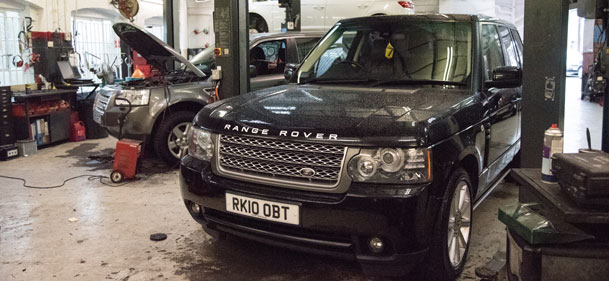
Range Rovers are commended for their smooth, commanding ride, on account of the sophisticated air suspension system that inevitably adjusts height and comfort levels. But when this system starts to fail, the holder frequently notices sagging corners, irregular stance, dashboard warnings, or a rougher ride. Ride altitude issues are among ultimate common repair concerns in modern Range Rover models, particularly those equipped accompanying the advanced Electronic Air Suspension (EAS).
Understanding what causes ride altitude questions, especially related to the air compressor, relay, and pipe block, helps owners identify issues early and avoid extensive damage.
Why Range Rover Ride Height Problems Happen
Range Rover’s air suspension depends on multiple elements working together—compressor, air lines, air struts, sensors, relays, a valve block, and a control piece. If any of these parts fail, the system can not any more maintain correct pressure, resulting in:
- Vehicle sagging journey
- Front or rear-end abandoning
- “Suspension Fault” warning on the dash
- Slow rising or failure to lift
- Vehicle leaning to the individual side
Most cases trace back to three major parts: the compressor, the compressor transmission, and the valve block. For any kind of ac issue, you can book European Auto AC Repair in Rocklin, CA.
Compressor Problems: The Heart of Ride Height Issues
The air compressor is arranged to generate the air pressure necessary to raise and lower the vehicle. When it struggles, the complete suspension system reacts. You can also consult with experts like EuroTech Auto Service.
- Common Signs of Compressor Failure
- Range Rover takes too long to rise after startup
- Loud, strained compressor noise
- System enters “Hard Fault” and locks the ride height
- Vehicle lifts only incompletely or intermittently
Valve Block Issues: The Hidden Cause of Uneven Ride Heights
The valve block (or valve body) spreads air to individual air struts. When it malfunctions, you frequently see irregular ride height, slow corner swelling, or air loss journey.
- Symptoms of Valve Block Failure
- One corner sags while others stay level
- Vehicle drops journey but rises after startup
- Slow response when regulating height
- Intermittent “Suspension Inactive” alerts
The valve block uses internal seals that become worn, causing air to leak inside. Even a tiny leak can cause a gradual sagging effect, especially when the jeep is parked.
- Diagnosing Valve Block Issues
- Spray soapy water on the air lines and fittings
- Check for height distinctnesses after sitting overnight
- Use diagnostic software to monitor corner pressure
- Observe if only the individual or two corners are affected
Conclusion
Understanding by means of what the compressor, relay, and faucet block work—and recognizing early warning signs—allows owners to counter before the system deteriorates. By diagnosing issues early and guaranteeing quality repairs by experts like EuroTech Auto Service, you can maintain your Range Rover riding smoothly, level, and reliable for years to hand.