
The Evolution of Comprehensive Automotive Dealership Services
The traditional image of an automotive dealership often revolves solely around vehicle sales. However, the modern dealership is a multifaceted enterprise, providing a robust ecosystem of services that extend far beyond the initial transaction. These services are vital for maintaining a vehicle’s lifespan, ensuring owner satisfaction, and contributing significantly to the dealership’s overall profitability.
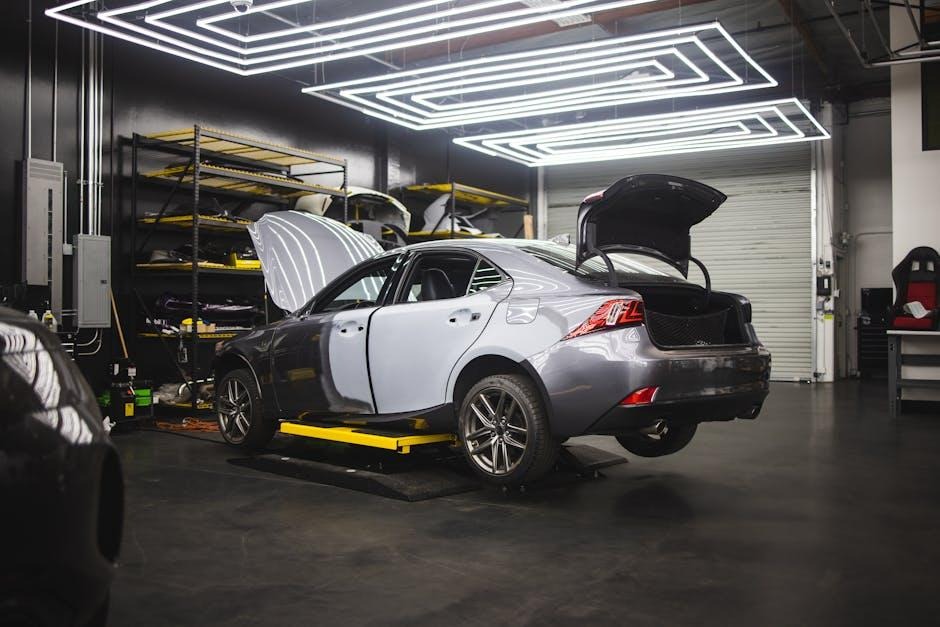
Beyond the gleaming showroom, dealerships operate sophisticated parts departments, stocking genuine OEM (Original Equipment Manufacturer) components designed specifically for your vehicle. This ensures perfect fit, optimal performance, and adherence to manufacturer warranties. Many also house full-service collision centers, equipped with specialized tools and certified technicians to restore vehicles to their pre-accident condition, often working directly with insurance providers.
Crucially, dealerships offer a range of support services designed to protect your investment and provide peace of mind. This includes comprehensive roadside assistance programs, often bundled with new vehicle purchases or extended warranties, ensuring help is always at hand. Their financing departments simplify the complex process of securing loans or leases, offering competitive rates and tailored payment plans. Furthermore, dealerships play a key role in the secondary market with rigorous certified pre-owned (CPO) programs, subjecting used vehicles to multi-point inspections and offering extended warranties, elevating them above typical used car offerings.
To illustrate the distinct advantages, consider the following comparison between dealership service benefits and independent repair shops:
- Dealership Service Benefits vs. Independent Repair ShopsExpertise: Dealership technicians are factory-trained and certified, specializing in specific makes and models, with access to proprietary diagnostic tools and up-to-date technical bulletins. Independent shops may service a broader range of vehicles, but might lack brand-specific depth.
- Parts: Dealerships use genuine OEM parts, guaranteeing quality and compatibility. Independent shops often use aftermarket parts, which can vary in quality and may not maintain vehicle warranty.
- Technology: Dealerships invest heavily in manufacturer-specific diagnostic equipment and software, essential for modern, complex vehicles. Independent shops may have generic tools, which might not fully address intricate vehicle systems.
- Warranty: Service and parts purchased at a dealership typically come with a warranty, and using OEM parts often preserves the vehicle’s original warranty. Using non-OEM parts at independent shops can sometimes void certain manufacturer warranties.
- Resale Value: A consistent service history at an authorized dealership can enhance a vehicle’s resale value, signaling meticulous care to future buyers.
- Convenience & Amenities: Many dealerships, such as Friendly Lincoln luxury automotive, offer amenities like loaner vehicles, shuttle services, comfortable waiting areas, and online scheduling. Independent shops may have fewer such offerings.
Diversifying Beyond the Showroom Floor
The backbone of a dealership’s financial stability often lies in its fixed operations—the parts and service departments. These segments typically boast high-profit margins, often ranging from 45 to 55 percent, providing a crucial buffer against the more volatile sales market. This resilience makes fixed operations a strategic focus for dealerships looking to “do more with less” and nurture customer loyalty for long-term revenue growth.
Beyond routine maintenance and repairs, dealerships diversify their service offerings through accessory sales, allowing customers to personalize their vehicles with genuine, manufacturer-approved upgrades. From floor mats and cargo organizers to performance enhancements and aesthetic modifications, these sales contribute to profitability and customer satisfaction.
Warranty support is another cornerstone, with dealerships acting as the primary point of contact for manufacturer-backed repairs. This specialized knowledge and direct channel to the OEM ensures that warranty claims are handled efficiently and correctly. Finally, many dealerships offer fleet management services for businesses, providing tailored maintenance schedules, bulk parts ordering, and dedicated support to keep commercial vehicles on the road, minimizing downtime and operational costs.
Bridging the Trust Gap Through Transparency and Technology
Despite the comprehensive nature of dealership services, a significant challenge remains: fostering customer trust. Studies indicate that 74% of consumers are likely to purchase their next vehicle from the same dealer they service their vehicle with, yet a staggering 71% defect from their dealership’s service bays by the fifth year of ownership. Furthermore, dealers capture only one out of every three service visits, with over 43% of car owners opting for third-party servicing centers. This often stems from pricing anxiety and a perception that dealerships are more expensive or less transparent than independent shops.
Modern dealerships are actively addressing this by embracing transparency and leveraging technology. Digital tools now allow for visual inspections and video walkthroughs of a vehicle’s condition, providing customers with concrete evidence of recommended services. This visual proof helps demystify the repair process and builds confidence.
The integration of third-party pricing tools and the concept of a “fair repair range” further enhances transparency. By openly displaying competitive repair prices on their websites and utilizing trusted platforms like Kelley Blue Book’s Service & Repair Pricing Guide, dealerships can directly counter the perception of inflated costs. This guide, which sees over 12 million visits annually, allows customers to research typical repair costs, empowering them with information and transferring a sense of trust to the dealership.
Digital retailing is not just for vehicle sales; it extends to the service department. Online service scheduling, digital approvals for repairs, and mobile payment options streamline the customer journey, making interactions more convenient and less intimidating.
Here are some transparency best practices dealerships are implementing:
- Post Competitive Prices Online: Clearly display common service and repair costs on the dealership website.
- Offer Online Quoting Tools: Allow customers to get estimated costs for services before they arrive.
- Utilize Digital Inspections: Provide photos and videos of vehicle issues directly to the customer’s device.
- Explain Recommendations Clearly: Service advisors should thoroughly explain why a service is needed, not just what it costs.
- Provide Third-Party Verification: Reference trusted industry pricing guides to validate repair costs.
- Offer Service History Access: Give customers easy access to their vehicle’s complete service history.
Enhancing Customer Loyalty in Automotive Dealership Services
The high defection rates—with 73% of car owners using dealership service for cars up to three years old, but only 55% for older cars—highlight a critical need for enhanced customer loyalty. Customers who service at the dealership are 2.5 times more likely to purchase their next vehicle from that same dealer, making service retention a direct driver of future sales.
Building loyalty requires moving beyond transactional interactions to creating a personalized, relationship-driven experience. This begins with personalized outreach, where dealerships use customer data to send relevant service reminders, special offers, and vehicle health updates. This proactive communication, tailored to the customer’s specific vehicle and mileage, demonstrates care and expertise.
The service drive experience itself is paramount. It’s often the most frequent touchpoint a customer has with the dealership. An efficient, respectful, and transparent service experience can significantly influence a customer’s perception of the entire brand. Consistent communication throughout the service process—from appointment booking to vehicle pickup—is key. This includes timely updates on repair progress, clear explanations of work performed, and accurate estimates of completion times.
A strong Customer Satisfaction Index (CSI) in the service department translates directly into higher retention and loyalty. As brand loyalty across the automotive industry has fallen to a six-year low, providing an excellent customer experience in the service drive is more important than ever, ranking as the second most influential factor in automotive brand loyalty after the sales experience itself.
Building Relationships Through Digital Engagement
In an era where 90% of car shoppers use Google for research, digital engagement is no longer optional; it’s fundamental for generating service leads and sales. Dealerships are leveraging technology to create seamless digital interactions that foster loyalty and convenience.
Online scheduling systems allow customers to book appointments 24/7, reducing phone call volume and providing flexibility. Automated SMS updates and email notifications keep customers informed about their vehicle’s status, upcoming maintenance, and even personalized offers. The ability to make mobile payments offers a quick and secure checkout process, further streamlining the service experience.
These digital touchpoints are crucial for lead generation. By analyzing online behavior and service history, dealerships can identify potential sales opportunities—for example, customers with older vehicles due for major repairs might be excellent candidates for a trade-in. Digital marketing strategies, including targeted ads and SEO, ensure that when customers search for “automotive dealership services,” the dealership appears prominently. This comprehensive digital approach ensures that dealerships remain competitive and connected with their customer base throughout the entire vehicle ownership lifecycle.
Overcoming Operational Challenges in Modern Service Departments
Dealership service departments face a unique set of operational hurdles that directly impact their ability to serve customers and maintain profitability. Two of the most pressing are the severe technician shortage and the challenge of optimizing fixed-cost absorption.
The U.S. Bureau of Labor Statistics projects an average of 67,800 openings for automotive service technicians and mechanics each year through 2033. This persistent shortage creates capacity constraints, leading to longer wait times for customers and reduced service throughput. To combat this, dealerships are actively engaging in trade school partnerships, offering scholarships, apprenticeships, and mentorship programs to attract and train the next generation of technicians. They are also exploring innovative solutions like flexible scheduling, including 3- or 4-day work weeks, to improve technician work-life balance and retention.
Fixed-cost absorption refers to the percentage of a dealership’s total operating expenses covered by the gross profit from its parts and service departments. Improving this rate is critical for profitability. Even a 1 percent increase in a public dealer group’s fixed-cost absorption rate could yield about $20 million to $40 million in additional gross profit annually. This highlights the immense financial leverage held within these departments.
Throughput optimization is key to maximizing the efficiency of existing resources. This involves streamlining workflows, implementing intelligent scheduling systems to optimize bay utilization, and ensuring technicians have the right tools and parts readily available. Multi-point inspections performed promptly upon vehicle drop-off can identify additional service needs, increasing the revenue per repair order (RO) while providing comprehensive vehicle health checks to the customer. Specialized services, such as those for advanced vehicle protection like XPEL certified automotive services, can also contribute to higher RO values and attract discerning customers seeking premium care.
Maximizing Efficiency and Profitability
With service department margins typically ranging from 45 to 55 percent, maximizing efficiency directly translates to enhanced profitability. The significant impact of even a 1% increase in fixed-cost absorption underscores the importance of operational excellence in these departments.
Optimizing bay utilization is paramount. Advanced scheduling software and real-time tracking of technician availability and job progress help ensure that service bays are rarely idle. This also involves creating a single queue for both express and mainline work, allowing for more flexible allocation of technicians.
Workflow automation plays a crucial role. From digital repair orders and parts requisition to automated diagnostic tools and AI-powered service recommendations, technology can significantly reduce administrative burdens and speed up service times. This allows technicians to focus on what they do best: repairing vehicles, increasing their productivity and overall service throughput.
Scaling Operations Across Multi-Rooftop Groups
For multi-rooftop dealer groups, scaling service operations efficiently across multiple locations presents its own set of challenges and opportunities. The key lies in implementing standardized processes and leveraging centralized data.
Standardized operating procedures ensure consistent service quality and customer experience across all dealerships, reinforcing brand identity and customer trust. This includes uniform training programs for technicians and service advisors, consistent pricing strategies, and shared best practices.
Centralized data management allows dealer groups to gain a holistic view of their service operations. This includes aggregated customer histories, parts inventories, technician performance metrics, and financial data across all locations. Such data enables informed decision-making, identifies areas for improvement, and facilitates efficient resource allocation.
Furthermore, resource sharing across locations—whether it’s specialized tools, parts inventory, or even technicians during peak demand—can improve efficiency and reduce costs. Maintaining brand consistency in service delivery is crucial, ensuring that a customer receives the same high standard of care regardless of which dealership in the group they visit. This cohesive approach strengthens the overall brand and enhances customer loyalty across the entire network.
The Future of Fixed Operations: EVs and Data Analytics
The automotive industry is in the midst of a profound transformation, driven by the rapid adoption of electric vehicles (EVs) and advancements in data analytics and artificial intelligence. These forces are reshaping how dealerships operate their service departments and manage customer relationships.
Digital Transformation of Automotive Dealership Services
The digital transformation in automotive services is characterized by the integration of AI workflows and predictive maintenance. Dealerships are moving towards a future where vehicle maintenance is not reactive but proactive, driven by data.
AI workflows are being deployed to streamline administrative tasks, optimize scheduling, and even assist technicians with diagnostic procedures. This frees up human capital to focus on complex repairs and customer interactions. Predictive maintenance, powered by advanced data analytics, allows dealerships to anticipate potential vehicle issues before they occur. By analyzing vehicle telematics, driving patterns, and historical service data, dealerships can proactively schedule maintenance, preventing breakdowns and enhancing vehicle reliability.
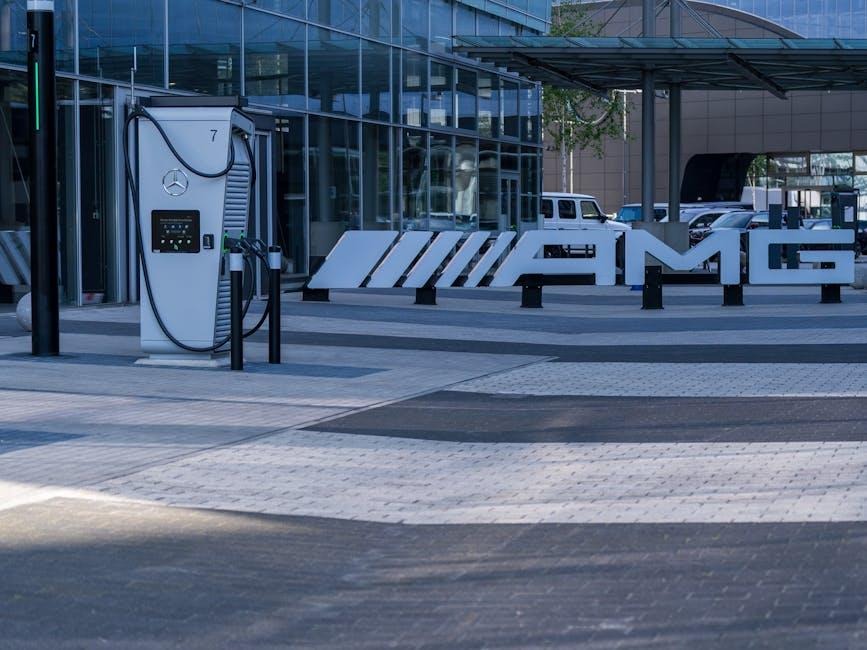
The rise of EVs introduces both challenges and opportunities for service revenue. While EVs generally require less routine maintenance (e.g., no oil changes, fewer moving parts), they present new avenues for complex repairs related to battery health, electric motors, and sophisticated software systems. This necessitates significant investment in specialized training for technicians and charging infrastructure at dealerships.
Data analytics and AI tools are becoming indispensable for optimizing dealership service workflows and improving customer experience. They enable personalized communication, efficient inventory management, and accurate diagnostic support. However, this increased reliance on data also brings critical considerations around privacy compliance (e.g., GDPR, CCPA), accessibility of digital platforms for all users, and robust data security measures.
Here are some emerging automotive technologies impacting dealership services:
- Over-the-Air (OTA) Updates: Software updates for vehicles, reducing the need for dealership visits for certain issues.
- Advanced Driver-Assistance Systems (ADAS) Calibration: Specialized equipment and training required for repairing and calibrating complex safety systems.
- Vehicle-to-Everything (V2X) Communication: Future vehicles communicating with infrastructure and other vehicles, impacting diagnostics and recall procedures.
- Augmented Reality (AR) for Diagnostics: Technicians using AR headsets to visualize repair procedures and access real-time data.
- Blockchain for Service Records: Secure, transparent, and immutable vehicle service histories.
Adapting to the Electric Vehicle Shift
The shift to electric vehicles presents a significant paradigm shift for dealership service departments. The most immediate impact is a reduction in routine maintenance needs. EVs have fewer fluids to change, no spark plugs, and regenerative braking reduces wear on brake pads. This creates a maintenance headwind for traditional service revenue streams.
However, new opportunities emerge in battery diagnostics and repair, electric motor servicing, and the maintenance of complex high-voltage systems. Dealerships must invest in specialized training for their technicians to safely and effectively work on these new technologies. Furthermore, the installation and maintenance of charging infrastructure at the dealership itself becomes a new service offering and a necessity for supporting EV owners. Dealerships that proactively adapt and invest in these areas will be well-positioned to capture the evolving service market.
Leveraging AI for Predictive Care
Artificial intelligence is revolutionizing how dealerships approach service, moving from reactive repairs to proactive, predictive care. By analyzing vast amounts of data, AI can predict individual customer behavior, such as when a customer might be due for a service or when they might be considering a new vehicle.
AI-powered systems can optimize inventory management by forecasting demand for specific parts, ensuring that the right components are always in stock. This reduces delays and improves service turnaround times. Automated reminders for upcoming service appointments, personalized based on predicted vehicle needs, enhance customer engagement and retention.
Moreover, AI can significantly improve diagnostic accuracy by analyzing sensor data from vehicles and comparing it against known fault patterns. This allows technicians to pinpoint issues more quickly and accurately, leading to more efficient repairs and higher customer satisfaction. By embracing AI, dealerships can transform their service departments into highly efficient, customer-centric operations.
Frequently Asked Questions about Automotive Dealership Services
Why do dealerships struggle with retention as vehicles age?
Dealerships often struggle with customer retention as vehicles age primarily due to several factors. As noted earlier, 71% of customers defect from dealership service bays by the fifth year of ownership, and 55% of car owners with older cars use independent mechanics. This is largely driven by the perception that independent shops are cheaper and more personal. There can also be a lack of pricing transparency from dealerships, making customers wary of potential high costs. Furthermore, if dealerships fail to provide personalized service gaps and proactive communication for older vehicles, customers may feel overlooked or that their needs are not being met as effectively as they were when the vehicle was newer.
How does the shift to electric vehicles affect service revenue?
The shift to electric vehicles (EVs) has a multifaceted impact on service revenue. On one hand, EVs typically require less routine maintenance, as they lack internal combustion engine components like oil filters, spark plugs, and exhaust systems. This represents a reduction in traditional service revenue. On the other hand, EVs introduce new opportunities for complex repair opportunities, particularly concerning high-voltage battery packs, electric motors, and advanced software systems. Battery service and diagnostics, as well as software updates and sensor calibrations, become critical. This necessitates significant investment in specialized technician requirements and equipment, leading to long-term operational shifts for dealerships.
What metrics are most important for measuring service department success?
To effectively measure service department success, dealerships should track a comprehensive set of performance metrics:
- Fixed-Cost Absorption Rate: This metric indicates the percentage of a dealership’s total operating expenses covered by the gross profit from parts and service. A higher rate signifies greater financial stability and profitability.
- Revenue per Repair Order (RO): This measures the average revenue generated from each service visit, indicating the effectiveness of multi-point inspections and upselling additional services.
- Technician Productivity: This assesses how efficiently technicians are completing work, often measured by billable hours versus available hours.
- Customer Retention Rate: Tracking how many customers return for service over time is crucial, as loyal service customers are more likely to purchase their next vehicle from the dealership.
- Bay Utilization Rates: This metric indicates how effectively service bays are being used, helping identify capacity constraints or underutilized resources.
Conclusion
The modern automotive dealership service department is a complex, evolving entity, crucial for both customer satisfaction and dealership profitability. From comprehensive maintenance and collision repair to financing and specialized CPO programs, dealerships offer a breadth of services designed to support vehicle owners throughout their entire journey.
While challenges like customer retention, technician shortages, and the EV transition persist, forward-thinking dealerships are embracing transparency, leveraging digital tools, and investing in advanced technologies like AI and data analytics. By prioritizing a relationship-driven approach, fostering long-term loyalty, and striving for operational excellence, dealerships can effectively future-proof their businesses. The commitment to continuous improvement and adaptation ensures that automotive dealership services will remain at the forefront of the evolving automotive landscape, providing essential support for every driver.
