

Preparing Your Vehicle for a High Appraisal
Trading in your current car can significantly impact the final price of your new vehicle. Many people overlook the importance of maximizing their trade-in value, which can leave money on the table. We understand that this process might seem complex or intimidating.
But it doesn’t have to be. Getting the best possible price for your trade-in is a crucial step towards a smarter car purchase. This guide will equip you with the knowledge and strategies you need.
We will show you how to prepare your vehicle for appraisal, accurately determine its market value, and negotiate with confidence at the dealership. Our aim is to help you secure a fair deal and drive away happy.
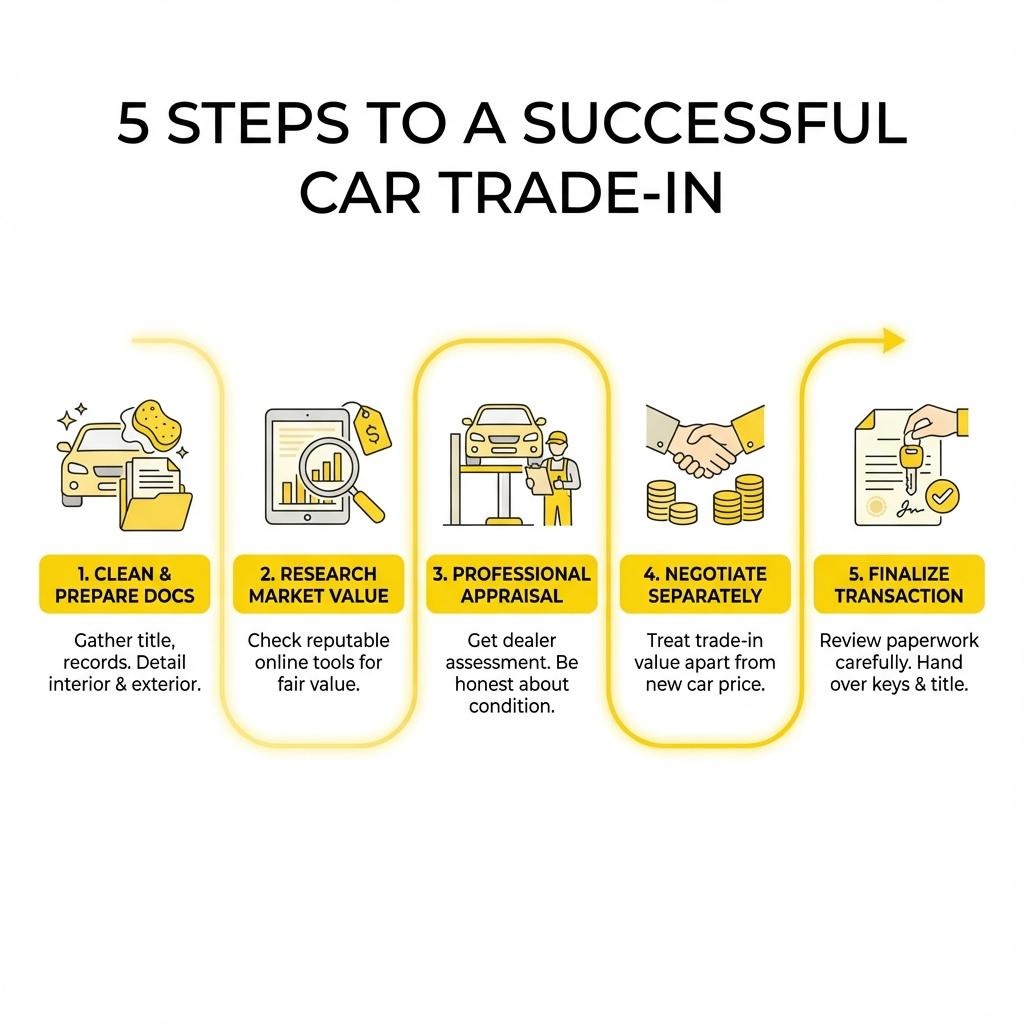
The journey to maximizing your trade-in value begins long before you set foot on the dealership lot. A little preparation can go a long way in influencing a dealer’s appraisal of your vehicle.
The Importance of Presentation
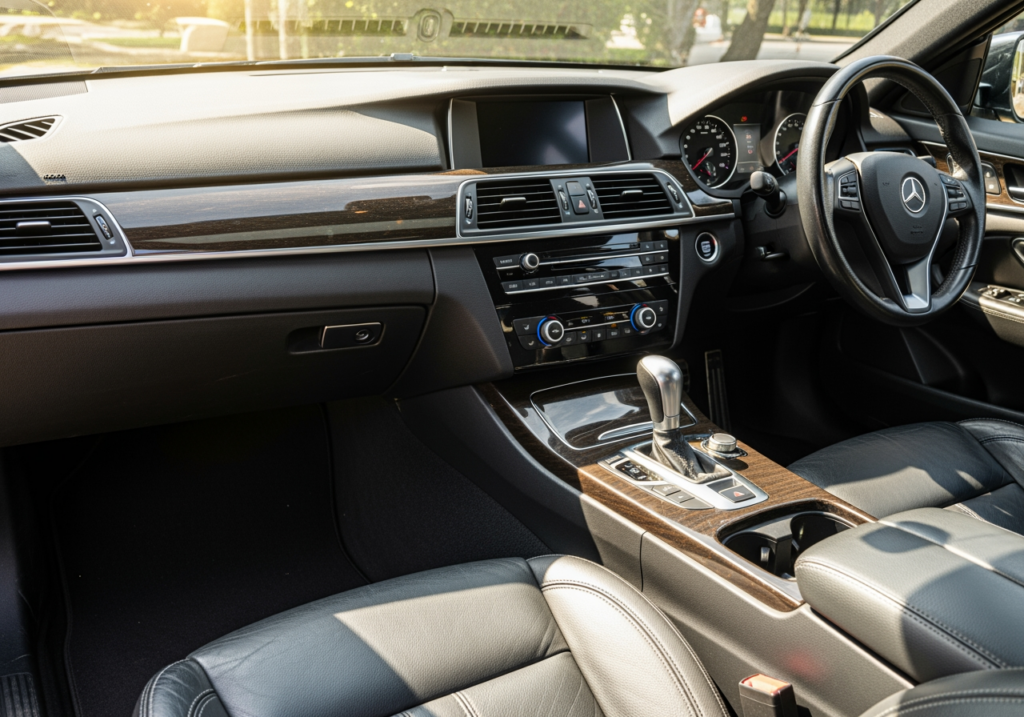
First impressions are paramount, especially when it comes to selling or trading in a vehicle. A clean, well-maintained car signals to the appraiser that you’ve cared for the vehicle, which can significantly boost its perceived value. We recommend a thorough interior detailing, ensuring all surfaces are clean, vacuumed, and free of personal belongings. For the exterior, a good wash and wax will highlight the paint’s condition and make the vehicle shine.
Beyond aesthetics, addressing minor cosmetic repairs can prevent an appraiser from deducting more than necessary. Small dents, scratches, or a cracked windshield might seem insignificant to you, but they can quickly add up in a dealer’s assessment. Consider fixing these if the cost is minimal compared to the potential increase in trade-in value. Remember to gather all keys and manuals, as missing items can also lead to deductions.
Gathering Your Documentation
Having all your vehicle’s paperwork in order is not just about convenience; it’s about transparency and building trust. When you present a complete history of your car, you empower the appraiser to make a fair and accurate assessment. This includes:
- Vehicle Title: Proof of ownership is essential. Ensure it’s clear and in your name.
- Registration Documents: Current registration validates the vehicle’s legal status.
- Maintenance History: This is arguably one of the most critical documents. A comprehensive record of oil changes, tire rotations, and major services demonstrates diligent care and can significantly improve your vehicle’s value. For instance, if you’re trading in a Nissan Armada SV, proof of regular servicing of its 3.5-liter Twin Turbo V6 engine and transmission can reassure the dealer of its mechanical integrity.
- Loan Payoff Information: If you still owe money on your vehicle, have the most recent statement ready, including the payoff amount. We’ll discuss trading in a car with a loan in more detail later.
- Owner’s Manual: While seemingly minor, a complete owner’s manual shows attention to detail and provides useful information for the next owner.
Presenting these documents in an organized manner streamlines the appraisal process and helps validate your vehicle’s condition and history.
Researching and Establishing Your Car’s Value
Understanding your car’s true market value is your most powerful tool in trade-in negotiations. Without this knowledge, you risk accepting an offer far below what your vehicle is worth.

How to Determine a Realistic Price for Trading in Your Car
Several factors influence your car’s trade-in value. We encourage you to research thoroughly using multiple reliable sources.
- Online Valuation Tools: Websites like Kelley Blue Book (KBB) and Edmunds provide excellent starting points. They offer “Fair Purchase Price” and “True Market Value” estimates based on current market conditions, mileage, and vehicle condition. Be honest when inputting your car’s details – an accurate assessment will lead to a more realistic valuation. For example, if you’re looking to trade in your 2025 Nissan Armada SV, these tools will consider its 425 horsepower, 8500 lbs towing capacity, and combined 18 MPG fuel economy, along with its current condition and mileage, to give you an estimate.
- Market Conditions: The automotive market is dynamic. Factors like demand for used vehicles, current inventory levels, and even gas prices can affect trade-in values. Keep an eye on local listings for similar vehicles to gauge what buyers are paying.
- Mileage Impact: While a 2025 Nissan Armada SV is built for durability, higher mileage will generally lead to a lower trade-in value. However, consistent maintenance records can help mitigate this impact.
- Vehicle Condition Assessment: Most valuation tools ask you to rate your car’s condition (excellent, good, fair, poor). Be objective. A dealer will conduct a professional appraisal, and discrepancies can weaken your negotiation position.
The Role of a Vehicle History Report
A vehicle history report is a crucial document that provides an in-depth look into a car’s past. It can uncover vital information that impacts its value and your ability to negotiate. We strongly recommend obtaining one for your vehicle before heading to the dealership.
- Uncovering Past Issues: A report can reveal previous accidents, flood damage, fire damage, or salvage titles. Even minor incidents, if not properly disclosed, can significantly devalue a vehicle.
- Disclosing Accidents: If your Nissan Armada SV, for example, was involved in an accident, the report will detail the extent of the damage and whether it was repaired. Having this information upfront allows you to be transparent and address any concerns the appraiser might have.
- Verifying Maintenance Records: While you should bring your own service records, a vehicle history report can often corroborate these, adding another layer of credibility to your claim of diligent maintenance.
- Negotiating Leverage: Knowing your car’s history allows you to anticipate the dealer’s assessment. If the report is clean, it’s a strong selling point. If it reveals minor issues you weren’t aware of, you can prepare a counter-argument or adjust your expectations. A reputable vehicle history report provider, such as CARFAX, can offer valuable insights into your vehicle’s past, helping you understand its true condition and market standing.
The Dealership Process: Tips for Trading in Your Car
Once you’ve prepared your vehicle and thoroughly researched its value, it’s time to engage with the dealership. This stage requires a strategic approach to ensure you get the best possible deal.
Treating the Trade-In as a Separate Transaction
One of the most common pitfalls in car negotiations is allowing the dealership to bundle the new car price and trade-in value into a single “monthly payment” discussion. This makes it incredibly difficult to determine if you’re getting a fair deal on either component. We advise treating these as two distinct transactions:
- Negotiate the New Car Price First: Focus solely on getting the best possible price for the new vehicle you intend to purchase, whether it’s a 2025 Nissan Armada SV or another model. Once you’ve agreed on a price for the new car, then move on to your trade-in.
- Negotiate the Trade-In Separately: With the new car price locked in, you can now negotiate the trade-in value without it being obscured by other figures. This financial clarity ensures you understand exactly how much you’re getting for your old vehicle.
By separating these transactions, you maintain control and can more easily identify if you’re receiving a competitive offer for your trade.
Leveraging Online Tools and Getting Multiple Quotes
You have powerful tools at your fingertips to strengthen your negotiation position.
- Dealership Estimators: Many dealerships provide online estimators to start the process, which can give you a solid baseline before you visit, similar to the Marhofer Nissan trade-in tool. These tools often ask for your vehicle’s make, model, year, mileage, and condition to provide an instant estimate.
- Online Offers: Some platforms allow you to get firm cash offers for your vehicle from various dealers or third-party buyers without even visiting them. This can be an excellent way to establish a floor for your trade-in value. If you receive a cash offer of $X, you know your trade-in at the dealership should at least meet or ideally exceed that amount.
- Competitive Pricing: Don’t limit yourself to just one dealership. Visit several or contact them online to get multiple trade-in appraisals. The more offers you have, the better your leverage. If you’re eyeing a new 2025 Nissan Armada, consider checking out available models and deals at different locations, such as the offerings for a 2025 Nissan Armada in Cuyahoga Falls, OH, to compare their trade-in offers.
By gathering multiple quotes and utilizing online resources, you walk into the dealership with confidence, knowing what your vehicle is truly worth and what other buyers are willing to pay. This preparedness is key to achieving a successful trade-in.
Common Mistakes That Lower Your Trade-In Value
While preparing your vehicle and researching its value are critical, avoiding common pitfalls is equally important. These mistakes can inadvertently reduce your trade-in offer, costing you money.
- Overlooking Simple Fixes: Ignoring minor issues like a burnt-out headlight, a missing hubcap, or a loose interior trim piece. These small imperfections suggest a lack of overall care and can lead to larger deductions than the actual cost of repair.
- Not Cleaning the Vehicle: As discussed, presentation matters. A dirty car, inside and out, creates a negative impression and implies neglect, even if the vehicle is mechanically sound.
- Being Unprepared with Paperwork: Showing up without your title, maintenance records, or loan payoff information creates delays and can make the dealer suspicious, potentially leading to a lower offer.
- Focusing Only on the Monthly Payment: This is a major trap that can obscure the true cost of your new vehicle and the actual value of your trade-in.
The “Monthly Payment” Trap
The monthly payment is often the primary focus for car buyers, and dealerships are adept at using this to their advantage. While an affordable monthly payment is important, allowing it to dominate the negotiation can lead to hidden costs and a poor trade-in value.
When a salesperson asks, “What monthly payment are you comfortable with?” they are trying to understand your budget and manipulate the numbers to fit it, often at your expense. They can adjust the loan term, interest rate, or even bury a low trade-in offer within the overall payment structure.
We advise you to always negotiate the new car price and your trade-in value as separate, distinct figures. Only once those are agreed upon should you discuss financing terms and the resulting monthly payment. This approach ensures financial clarity and prevents you from falling into the trap where a seemingly low monthly payment masks a bad deal on your trade or an inflated price on the new vehicle. For example, when considering the starting MSRP of $57,520 for a 2025 Nissan Armada SV, understanding the exact trade-in value of your old car is crucial before discussing financing options.
Honesty is the Best Policy: Disclosing Issues
It might be tempting to hide known issues with your trade-in, hoping the appraiser won’t notice. However, we strongly advise against this. Dealership appraisers are professionals; they have trained eyes and tools to uncover problems. Most vehicles undergo a thorough inspection, including a test drive and often a mechanical check.
- Vehicle Condition: Be upfront about any known mechanical issues, body damage, or significant wear and tear.
- Known Problems: If the “check engine” light is on, or there’s a recurring electrical problem, disclose it.
- Dealer Inspection Process: Hiding issues that are later finded can damage trust and lead to a significantly reduced offer, or even a rescinded deal.
- Building Credibility: Being honest builds credibility. When you transparently present your vehicle, including its flaws, the appraiser is more likely to trust your assessment of its overall condition and offer a fair price. They factor in reconditioning costs, and sometimes, a known issue is less of a concern than a hidden one that could be more expensive to fix.
Transparency throughout the process, from detailing your car’s history to honestly discussing its current state, will always serve you better in the long run.
Frequently Asked Questions about Trading In Your Car
We understand that the trade-in process can raise many questions. Here, we address some of the most common concerns to help you steer your next vehicle purchase confidently.
Can I trade in a car that I still owe money on?
Yes, absolutely. It’s a very common practice to trade in a vehicle that still has an outstanding loan. The process is straightforward:
- Loan Payoff Process: When you trade in your car, the dealership will contact your lender to determine the exact payoff amount for your existing loan.
- Positive Equity: If your car’s trade-in value is more than the loan payoff amount, you have “positive equity.” This surplus can be applied as a down payment towards your new vehicle, such as a new Nissan Armada in Cuyahoga Falls, effectively reducing the amount you need to finance.
- Negative Equity: If your car’s trade-in value is less than the loan payoff amount, you have “negative equity.” In this scenario, the difference (the amount you still owe) is typically rolled into the financing for your new vehicle. While this is possible, we advise caution. Rolling negative equity increases your new loan amount, which means higher monthly payments and you’ll be “upside down” on your new loan from day one. It’s generally better to pay off negative equity upfront if possible.
Always know your exact loan payoff amount before heading to the dealership.
Is it better to sell my car privately or trade it in?
This is a classic dilemma with pros and cons for each option:
- Selling Privately:Pros: You generally stand to get a higher price for your vehicle when selling it privately compared to a trade-in. You’re selling directly to a consumer, cutting out the dealer’s reconditioning costs and profit margin.
- Cons: It requires significant time and effort. You’ll need to advertise, communicate with potential buyers, arrange test drives, handle paperwork, and deal with potential haggling. There are also safety concerns when meeting strangers.
- Trading It In:Pros: Convenience is the biggest advantage. The dealership handles all the paperwork, including paying off your old loan. It’s a single, streamlined transaction. Additionally, in many states, you only pay sales tax on the difference between the new car’s price and your trade-in value, which can lead to significant tax savings.
- Cons: You will likely receive less money for your vehicle than if you sold it privately. The dealership needs to factor in reconditioning costs, marketing, and profit.
If you value convenience and potential sales tax savings, trading in is often the better choice. If maximizing your cash return is the priority and you have the time and patience, a private sale might be more suitable. For those considering a new 2025 Nissan Armada, weighing these options carefully can impact your overall cost.
Should I fix major mechanical issues before a trade-in?
This decision boils down to a cost-benefit analysis.
- Cost of Repairs vs. Return on Investment: Major mechanical issues, such as a failing transmission or engine problems, can be very expensive to fix. A dealership appraiser will certainly notice these and factor in the repair costs when making an offer. However, the dealer can often repair these issues at a lower cost than you would pay at an independent shop, thanks to their wholesale parts and labor rates.
- Dealer Repair Costs: If you spend thousands fixing a major issue, you might not see that full amount reflected in your trade-in value. The dealer might only increase their offer by a fraction of your repair cost because they can fix it cheaper.
- Selling in “As-Is” Condition: For significant mechanical problems, it’s often more financially prudent to trade the vehicle in “as-is.” Let the dealer handle the repairs. Their appraisal will reflect the car’s condition, and you avoid the upfront expense and uncertainty of fixing it yourself.
For minor issues (like a burnt-out bulb or a small scratch), fixing them yourself is usually a good idea. For anything major, get an estimate for the repair, then compare it to how much you expect your trade-in value to increase. In many cases, you’ll find that the cost of repair outweighs the increase in trade-in value.
Conclusion
Maximizing your trade-in value is a critical step in securing the best possible deal on your next vehicle purchase. By taking the time to prepare your car, thoroughly research its market worth, and approach the negotiation process strategically, you empower yourself to make an informed decision.
Presentation matters, documentation builds trust, and knowledge of your vehicle’s true value is your strongest asset. Avoid the “monthly payment” trap by negotiating the new car price and your trade-in value separately. Be honest about your vehicle’s condition, and leverage online tools and multiple quotes to your advantage.
With these key takeaways in mind, you can approach the dealership with confidence, knowing you’ve done your homework. Whether you’re upgrading to a powerful 2025 Nissan Armada SV or another fantastic Nissan SUV, a successful trade-in sets the foundation for a smarter, more satisfying car-buying experience.
Ready to explore your options for a new Nissan SUV? Visit our extensive selection and find great deals on models like the 2025 Nissan Armada today. You can also check out our current New Nissan Armada Deals to see how much you can save.
Find your perfect new Nissan SUV model and get started on your next adventure: Explore New Nissan SUV Models in Cuyahoga Falls, OH.
