
The Growing Demand for Automotive Customization
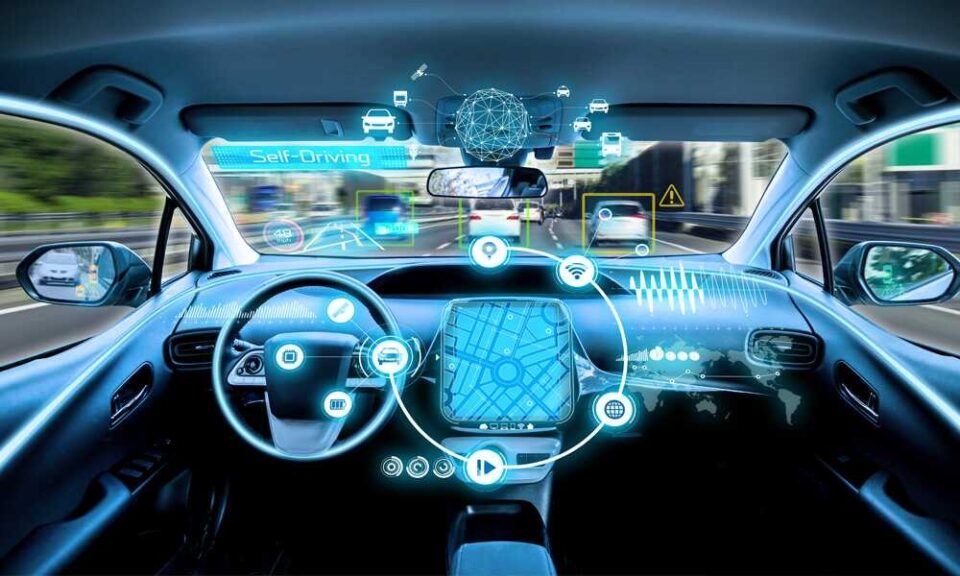
The automotive industry is experiencing a profound shift, driven by a consumer base that increasingly values individuality and self-expression. This isn’t just about aesthetics; it’s about creating a personal sanctuary and an extension of one’s digital life. We’ve grown accustomed to tailoring every aspect of our connected devices, from smartphone interfaces to smart home settings, and now we expect the same level of personalized content and control from our vehicles. This expectation is changing the way we interact with our cars, prompting manufacturers and aftermarket providers to offer increasingly sophisticated and diverse customization options.
This burgeoning desire for unique automotive experiences is more than a fleeting trend; it’s a powerful force shaping purchase decisions and fostering brand loyalty. When a vehicle truly reflects its owner’s personality and lifestyle, it creates a deeper emotional connection, moving beyond mere utility to become a cherished possession. This sentiment is clearly reflected in market growth: the global automotive personalization market was valued at an impressive USD 115.4 billion in 2023 and is projected to reach USD 205.8 billion by 2033, demonstrating a robust Compound Annual Growth Rate (CAGR) of 5.9% from 2024 to 2033. This substantial growth highlights the growing importance of personalization in the automotive industry. As consumers seek to make their mark, exploring various options for their ride becomes a key part of the car ownership journey. For those interested in understanding the breadth of possibilities, it’s worth exploring online vehicle personalization options to see what’s available.
A World of Choice: The Core of Vehicle Personalization
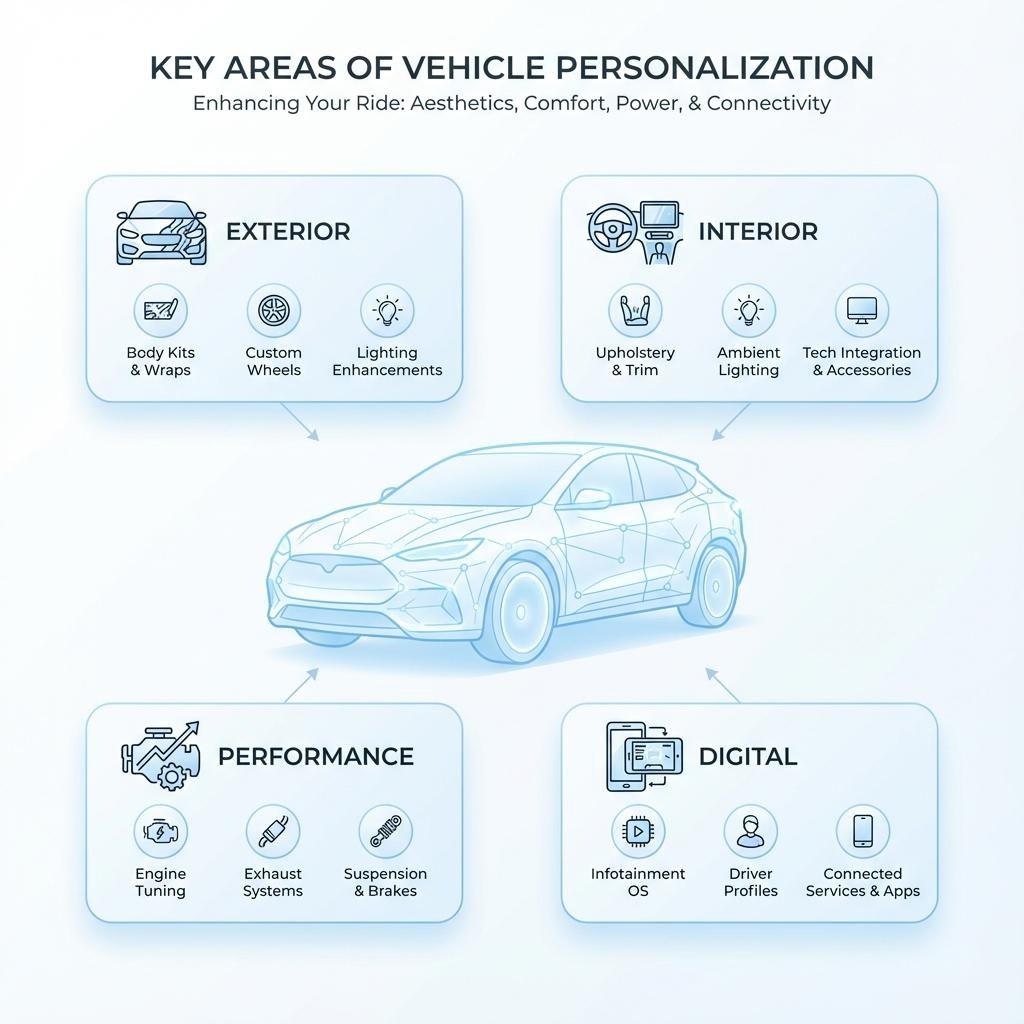
The journey from a standard showroom model to a uniquely personalized vehicle is paved with an incredible array of choices. Whether you’re looking to make subtle improvements or a complete change, the market offers solutions from original equipment manufacturers (OEMs), a vast network of aftermarket providers, and specialized third-party companies. This diverse ecosystem caters to every budget and every level of customization desire, from simple accessory swaps to intricate bespoke creations.
External Customization Options
The exterior of your vehicle is often the first canvas for personalization, allowing you to make a bold statement or subtly refine its appearance.
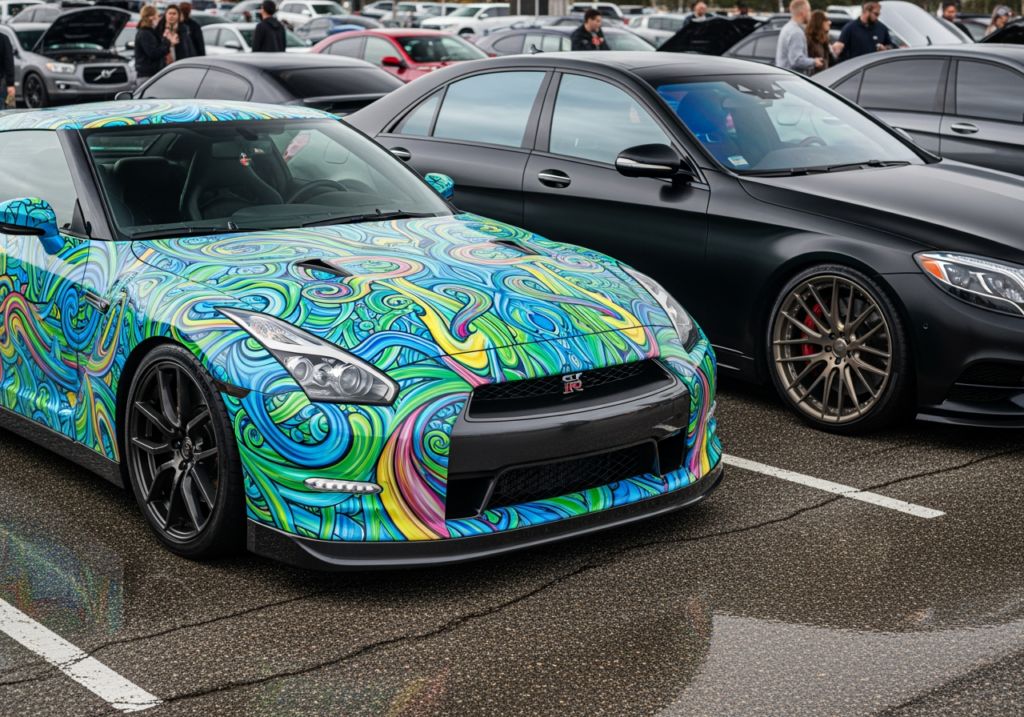
- Vehicle Wraps: One of the most popular and versatile external customization options is the vehicle wrap. Unlike a permanent paint job, a vinyl wrap allows for a complete color change or graphic application that can be removed or updated later. This offers incredible flexibility, enabling owners to change their car’s look whenever they desire. Wrap kits, for instance, can start at around $500, making them a relatively affordable way to alter your vehicle’s aesthetic dramatically.
- Custom Paint: For a more permanent and often higher-end change, custom paint jobs remain a classic choice. This can range from unique color formulations and multi-stage finishes to intricate airbrushing and artistic designs. These techniques require specialized skills and equipment, often involving meticulous preparation and application. For those seeking truly bespoke finishes, exploring advanced vehicle personalization options can reveal innovative painting techniques and materials that push the boundaries of automotive artistry.
- Custom Wheels and Tires: Changing wheels and tires is perhaps the most common exterior modification, instantly altering a vehicle’s stance and character. Options range from lightweight performance alloys to large, statement-making chrome wheels, each available in countless designs, finishes, and sizes. Paired with performance or all-terrain tires, they can significantly impact both appearance and driving dynamics.
- Body Kits: For a more aggressive or sporty look, body kits comprising custom bumpers, side skirts, spoilers, and wide-body fenders can dramatically reshape a vehicle’s silhouette, enhancing its overall appearance. These modifications can range from subtle aerodynamic improvements to full-blown race-inspired aesthetics.
- Lighting Modifications: Upgrading headlights, taillights, and auxiliary lighting can improve visibility and add a distinctive touch. This includes LED conversions, custom daytime running lights, sequential turn signals, and even underglow lighting for show vehicles.
- Personalized License Plates: A simple yet effective way to add a personal touch is through custom license plates. These plates allow you to select a unique combination of letters and numbers that reflect your name, hobby, or a special message. Personalized plates typically involve an extra yearly fee, with costs varying by state (e.g., $15.50 plus a minimum annual contribution of $30 for some special plates). The process can take several weeks, with personalized plates typically available for pickup within 8-12 weeks after ordering.
- Special Interest Plates: In addition to personalized text, many states offer special interest plates featuring specific graphic designs. These plates often support various organizations, causes, or display affiliations (e.g., colleges, sports teams, environmental groups). They are a great way to personalize your vehicle while also showing support for something you care about.
Internal Customization Options
While the exterior catches the eye, the interior is where you spend most of your time, making internal personalization crucial for comfort, functionality, and personal enjoyment.
- Custom Upholstery: One of the most impactful interior changes is the addition of custom upholstery. This can involve re-trimming seats in premium leather, exotic fabrics, or unique color combinations. It extends to door panels, headliners, and even dashboards, creating a cohesive and luxurious feel.
- Ambient Lighting: Modern vehicles often feature customizable ambient lighting, enabling drivers to select from a range of colors to suit their mood. Aftermarket solutions can further improve this, adding dynamic lighting effects to footwells, dashboards, and door sills.
- Upgraded Infotainment Systems: The heart of the modern vehicle’s interior is its infotainment system. Customization can involve upgrading to larger screens, integrating advanced navigation systems, premium sound systems, or adding connectivity features like Apple CarPlay or Android Auto, where they are not initially present.
- Steering Wheel Covers and Custom Floor Mats: These smaller accessories offer an easy and affordable way to inject personality. Custom steering wheel covers can improve grip and add aesthetic appeal, while personalized floor mats protect the interior and can feature unique designs, logos, or colors.
- Personalized Car Accessories: The options are virtually endless, including custom shift knobs, pedal covers, rearview mirror decorations, sun shades, car coasters, and even custom-designed seat belt covers. These items allow for intricate detailing and personal branding within the cabin. Many online platforms offer a wide array of customizable accessories, enabling owners to design items that truly reflect their individual style.
Navigating the Customization Journey: Key Considerations
Starting on a vehicle personalization project is an exciting endeavor, but approach it with careful consideration. Beyond the creative aspects, several practical factors can significantly impact your experience, including financial implications, warranty coverage, insurance, and the vehicle’s long-term value.
Understanding the Costs of Vehicle Personalization
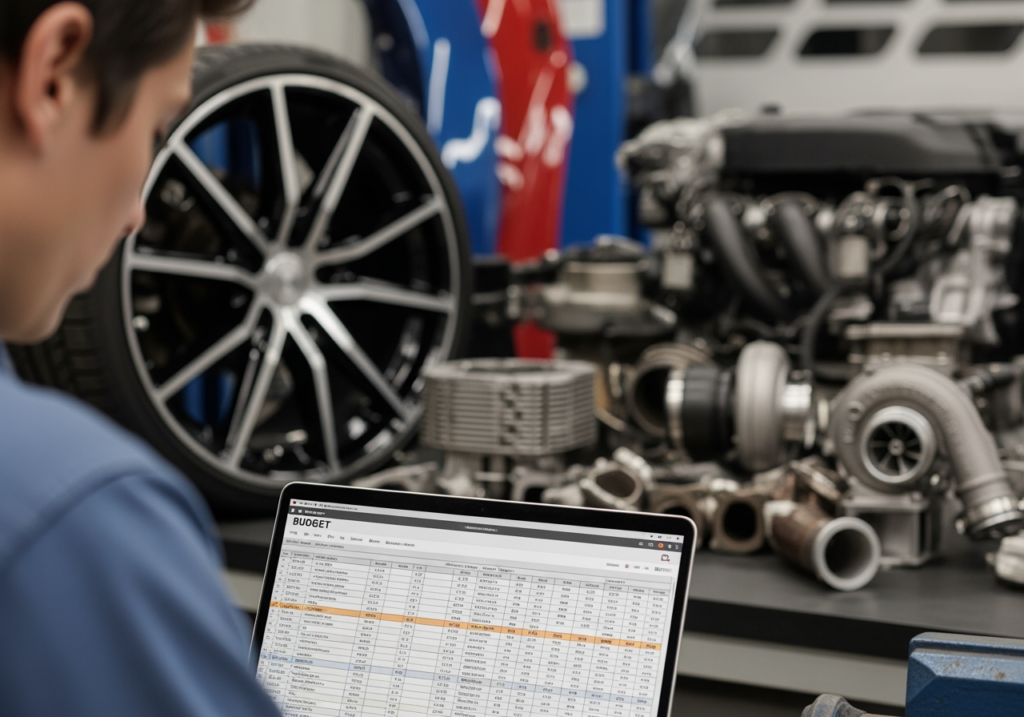
The cost of personalization varies wildly depending on the extent and type of modifications. Simple accessories might cost a few dollars, while a complete custom paint job or bespoke interior can run into tens of thousands.
- DIY vs. Professional Installation: While the owner can install some minor accessories, complex modifications, such as wraps, body kits, or electrical upgrades, typically require professional installation. DIY can save money, but risks improper installation and potential damage.
- Wrap Kit Costs: As mentioned, basic wrap kits can start at around $500 for smaller vehicles or specific panels. However, a complete, high-quality wrap for an entire vehicle can easily cost several thousand dollars, depending on the material and the level of complexity.
- Custom Plate Fees: Personalized and special-interest license plates come with initial and often annual fees. While the new special plates in some regions might cost $15.50 with a minimum annual contribution of $30, these fees can accumulate over time.
- High-End Modifications: Bespoke interiors, performance engine tuning, or advanced suspension systems can involve significant investment, often rivaling the cost of the vehicle itself, especially in the luxury segment.
- Long-Term Maintenance: Custom parts may require specialized maintenance or cleaning products. Wraps, for instance, need specific care to maintain their finish and longevity.
Legal and Warranty Problems
Before making any significant modifications, it’s crucial to understand the potential legal and warranty implications.
- Warranty Implications: Many vehicle modifications, particularly those affecting the powertrain, electrical system, or safety features, can potentially void parts of your manufacturer’s warranty. The Magnuson-Moss Warranty Act generally prevents manufacturers from voiding an entire warranty due to an aftermarket part unless they can prove the part caused the failure. However, proving this can be challenging, and it’s always best to consult your dealership or read your warranty terms carefully. Using approved parts or having modifications performed by certified technicians can mitigate some risks.
- Insurance Coverage: It’s vital to inform your insurance provider about any significant modifications. Custom parts and labor may not be covered under a standard policy, and you might need to purchase additional coverage or a specialized policy to protect your investment. Failure to disclose modifications may result in claims being denied.
- Resale Value Impact: While personalization makes a vehicle unique to you, it can sometimes negatively impact its resale value. Highly specific or extreme modifications might appeal to a niche market, but they can deter a broader range of buyers seeking a more standard vehicle. Some modifications, such as professional wraps, can be removed to restore the original look, thereby preserving value.
- Legal and State Regulations: Many states have specific laws regarding vehicle modifications. These regulations can include restrictions on window tint darkness, exhaust noise levels, lighting colors (e.g., blue or red lights are typically reserved for emergency vehicles), bumper heights, and tire sizes. Personalized license plates also have content restrictions to prevent offensive or misleading combinations. Always research your local Department of Motor Vehicles (DMV) regulations to ensure your modifications are compliant.
The Digital Frontier: The Future of Automotive Customization
The automotive world is undergoing a technological revolution, and vehicle personalization is at its forefront. The rise of software-defined vehicles (SDVs), coupled with advancements in artificial intelligence (AI) and machine learning, is fundamentally changing how we can customize our driving experience. This digital transformation extends beyond physical alterations, enabling dynamic, software-driven personalization that evolves with the owner and the vehicle’s lifespan.
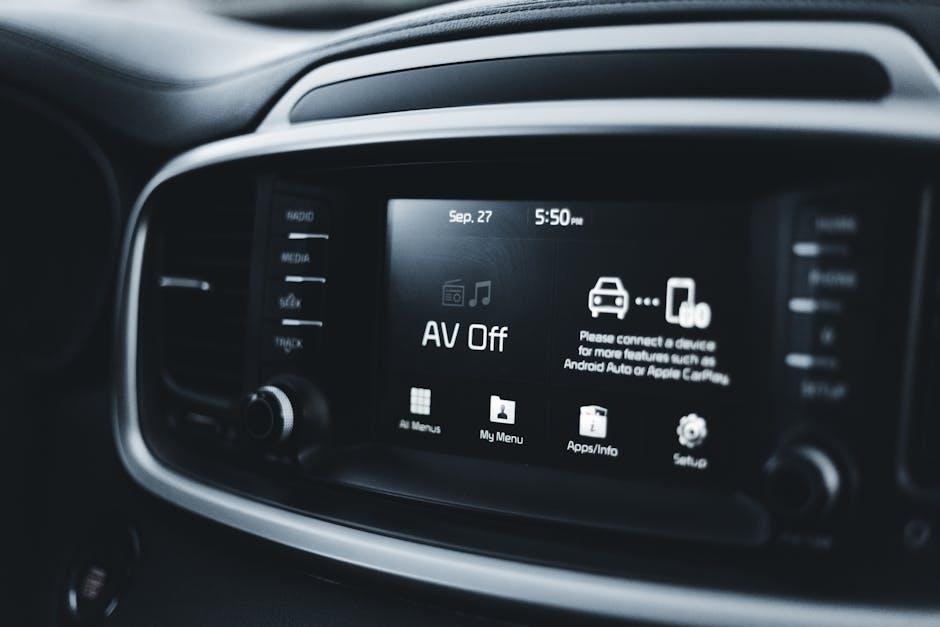
At the heart of this evolution are over-the-air (OTA) updates, which enable manufacturers to deliver new features, improvements, and personalization options directly to your vehicle, much like a smartphone updates its apps. This means your car can continuously adapt and gain new capabilities without a trip to the dealership. Digital customization tools, often accessible via in-vehicle infotainment (IVI) systems or companion smartphone apps, are becoming increasingly sophisticated, offering intuitive interfaces for tailoring various vehicle settings.
Beyond software, there’s a growing trend towards sustainable materials and recycled components in personalization. Automakers are exploring options like chrome-free Nappa leather, certified-origin wood, fabrics made from recycled tire yarn, and parts crafted from recycled sand. This not only offers unique aesthetic choices but also aligns with a broader consumer demand for environmentally conscious products.
The Future of Digital Vehicle Personalization
The future promises an even deeper integration of technology into personalization, making vehicles truly intelligent and responsive to individual needs.
- Context-Aware Routines: Imagine your car automatically adjusting settings based on your daily routine, external conditions, or even your mood. AI-powered, context-aware routines can learn your preferences and automatically adjust settings such as seat position, climate control, music, and navigation based on triggers like the time of day, weather conditions, or your smartphone’s proximity. For example, a “welcome home” routine might activate specific lighting and open the garage door as you approach.
- Feature-on-Demand Offerings: The ability to activate features as needed is a growing trend. This could involve temporarily opening up higher-performance modes, advanced driver-assistance features, or specialized infotainment packages through a subscription or one-time purchase, providing owners with flexibility without requiring permanent upgrades.
- App-Based Controls: Your smartphone or smartwatch is becoming an extension of your car’s control panel. Intuitive apps will allow you to pre-configure personalization settings, monitor vehicle status, and even deploy custom routines from anywhere, empowering drivers to maintain control over their custom driving experience.
- Continuous Updates: The software-defined nature of future vehicles means personalization options will not be static. Automakers can continuously introduce new features and experiences through OTA updates, ensuring the vehicle remains fresh and relevant throughout its lifespan without requiring new hardware.
- Automaker Brand Experience: For manufacturers, personalization is a powerful tool for enhancing customer loyalty and brand experience. By offering extensive customization options and digital tools, brands can foster a deeper connection with owners, turning a vehicle purchase into a long-term, evolving relationship. This is particularly evident in luxury brands like Ferrari, which maintain a tradition of offering extensive programs that enable every last detail of clients’ cars to be customized according to their personal taste, creating genuinely one-off creations.
Frequently Asked Questions
What are the biggest challenges when personalizing a vehicle?
The biggest challenges often revolve around cost management, as modifications can quickly add up in cost. There’s also the potential for warranty voidance if the manufacturer does not approve aftermarket parts or installations. The impact on resale value is another concern, as specific customizations may not appeal to a broad market. Finally, navigating state-specific legal regulations for modifications like window tints, lighting, or exhaust systems can be complex and lead to fines or inspection failures if not done correctly.
How do luxury and mass-market personalization differ?
Luxury brands like Ferrari and Rolls-Royce approach personalization as a bespoke, artisanal process. They offer extensive “Tailor Made” or “Coachbuild” programs with nearly limitless choices in exotic materials, custom colors, intricate stitching, and unique finishes, often involving personal designers and a lengthy consultation process. The focus is on creating a truly one-of-a-kind vehicle that reflects the client’s individual taste and status. Mass-market brands, on the other hand, typically offer personalization through pre-defined trim packages, a selection of factory-installed accessories, and a robust network of dealer-installed options. While still offering choices in color, wheels, and interior finishes, the options are generally standardized. The aftermarket industry plays a significantly larger role in mass-market personalization, offering a vast array of parts and services that allow owners to customize their vehicles beyond factory offerings.
What’s the difference between a personalized plate and a special interest plate?
A personalized plate (often called a vanity plate) allows you to choose a custom combination of letters and numbers (e.g., “MYCAR,” “DRIVEON”) that is unique to you, subject to state regulations on content and length. These are typically standard-issue plates with the text you have chosen. A special interest plate (or specialty plate) has a pre-set graphic design or image that represents a specific cause, organization, or affiliation (e.g., a wildlife conservation group, a university, a sports team). While these plates feature a fixed graphic, many states also allow you to personalize the letter/number combination on a special interest plate, combining both elements. A portion of the fees for special interest plates often goes to support the cause they represent.
Conclusion: Driving Your Unique Vision
Vehicle personalization has evolved from a niche hobby into a mainstream expectation, driven by our innate desire for individuality and the seamless, custom experiences we’ve come to expect from our connected lives. Our cars are no longer just modes of transport; they are powerful canvases for self-expression, extensions of our personality, and increasingly, smart companions that adapt to our needs.
From the vibrant artistry of exterior wraps and custom paint to the luxurious comfort of bespoke interiors and the subtle statements of personalized license plates, the options for making a vehicle uniquely yours are more diverse than ever. We’ve seen how aftermarket innovations and third-party specialists play a crucial role in expanding these possibilities, while luxury brands continue to set the standard for ultimate bespoke craftsmanship.
Looking ahead, the digital frontier promises even more profound changes. Software-defined vehicles, powered by AI and enabled by over-the-air updates, will open up dynamic personalization that evolves with you, offering context-aware routines and features on demand. This technological integration, coupled with a growing emphasis on sustainable materials, will redefine what it means to own and personalize a vehicle.
While the journey of customization comes with considerations like cost, warranty, and legal compliance, the benefits of driving a vehicle that truly reflects your unique vision are immeasurable. It’s about empowerment, connection, and the sheer joy of changing a standard machine into a cherished, one-of-a-kind masterpiece. In this exciting era, your car isn’t just a possession; it’s a statement, a sanctuary, and a valid extension of yourself.
