
1. INTRODUCTION
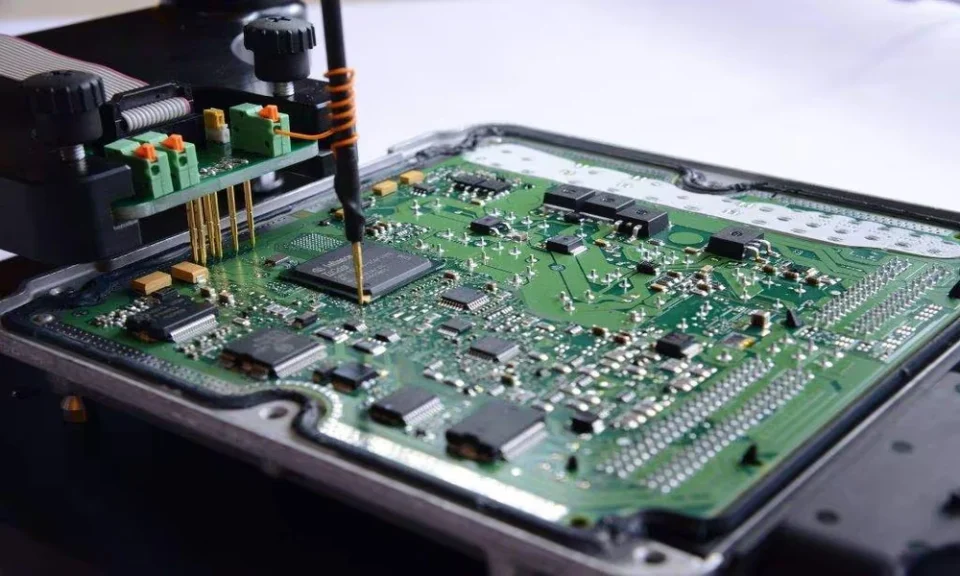
In 2026, modern vehicles run on a close partnership between mechanical parts and digital control. At the center of this system is the Engine Control Module (ECM), often called the engine’s brain. It manages fuel delivery, ignition timing, turbo boost, and emissions. When the ECM fails or becomes outdated, diagnostics become unreliable and repairs may miss the real problem. Replacing or updating the ECM helps restore accurate communication between sensors and engine components, leading to better performance, lower emissions, and fewer repeat repairs.
As vehicle systems become increasingly dependent on electronic controls, maintaining a reliable ECM is essential for accurate troubleshooting and efficient repairs. A properly functioning module helps technicians interpret sensor information correctly and distinguish between genuine component failures and software or communication issues. In this context, Ecm Replacement Supports Accurate Vehicle diagnostics by restoring dependable data exchange between the engine, sensors, and diagnostic equipment, helping ensure that repair decisions are based on accurate information rather than misleading fault symptoms.
2. WHY ECM REPLACEMENT MATTERS FOR DIAGNOSTICS
The ECM constantly reads data from sensors across the engine and adjusts key parameters in real time. If the module is damaged, corrupted, or running old software, it can send wrong signals or ignore critical warnings. This may cause symptoms like rough idling, poor fuel economy, loss of power, or persistent fault codes even after parts are replaced. In such cases, simply changing sensors or injectors will not fix the issue. A new or properly reprogrammed ECM ensures that diagnostic tools read correct data, making it easier to identify true faults and avoid unnecessary part swaps.
3. WHEN REPLACEMENT IS BETTER THAN REPROGRAMMING
Reprogramming (or reflashing) the ECM is often enough to update calibration files and fix software-related issues. However, replacement becomes necessary when the hardware itself is faulty. Signs include complete engine no-start conditions, communication errors with diagnostic scanners, or physical damage from water, heat, or electrical surges. A rebuilt or new ECM restores full functionality and supports the latest software updates, which is especially important for engines that must meet strict emission norms or operate under heavy loads.
4. BENEFITS OF A PROPERLY MATCHED ECM
A correctly matched ECM improves throttle response, stabilizes idle, and ensures fuel is delivered at the right time and quantity. It also helps the engine adapt to changes such as new injectors, turbochargers, or fuel quality. For fleet operators and commercial users, this means fewer breakdowns, better fuel efficiency, and compliance with environmental regulations. Technicians can also perform more accurate tests, since the ECM provides reliable live data during diagnostics.
5. CONCLUSION
ECM replacement is more than just swapping a box; it is a key step in restoring accurate diagnostics and long-term engine health. When the module is faulty or outdated, even the best mechanical repairs may fall short. By installing a compatible, high-quality ECM and ensuring it is properly programmed, vehicle owners and technicians can achieve smoother operation, lower emissions, and greater confidence in every repair. As vehicles become more software-dependent, the ECM will remain central to keeping engines running cleanly and reliably.
