
A car thermostat controls coolant flow and helps maintain a stable engine operating temperature. Highway driving can expose thermostat problems that remain hidden during slower daily journeys. Higher speeds create sustained engine heat and place greater demands on cooling components. So, a weak thermostat can become noticeable during longer highway travel. The temperature gauge may move unexpectedly or behave differently than usual.
Sometimes, the engine may run too cool despite continuous driving. In other situations, the engine temperature can rise when driving becomes demanding. These changes should never be ignored because cooling problems can become expensive. Now, understanding thermostat symptoms can help prevent serious engine damage.
Understanding the Thermostat’s Cooling Role
The thermostat regulates coolant movement between the engine and radiator during operation. It remains closed while the engine warms during initial driving conditions. Once operating temperature rises sufficiently, the thermostat gradually opens for cooling. This controlled movement allows the engine to maintain an efficient temperature range. A properly working thermostat responds smoothly to changing engine temperature demands. However, internal wear can affect how quickly the thermostat opens. A thermostat can also become stuck in one position over time. When this happens, coolant circulation becomes poorly controlled during changing driving conditions. The engine may then struggle to maintain its preferred operating temperature. Therefore, thermostat condition plays an important role in overall cooling system performance.
Temperature Gauge Changes Can Provide Important Clues
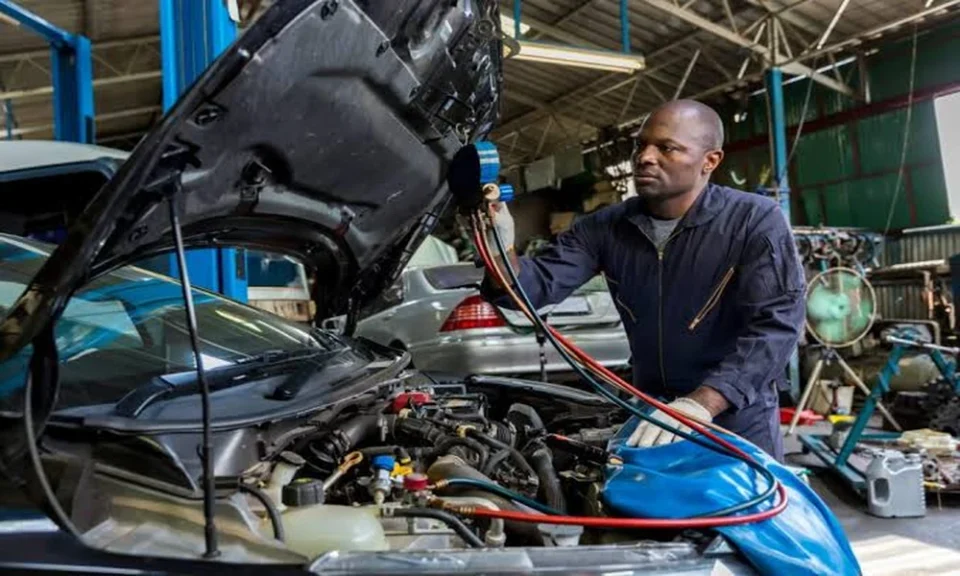
A technician can inspect coolant levels and thermostat operation carefully. The cooling fan and radiator should also receive proper attention during inspection. Sometimes, an apparently faulty thermostat may actually have another underlying cause. This makes professional testing valuable for avoiding unnecessary repair expenses.
Other Symptoms That Can Appear During Long Journeys
Fuel consumption may increase when the engine cannot reach proper temperature. Now, these symptoms can develop gradually rather than appearing immediately. A vehicle might feel completely normal during short urban journeys. Longer highway travel can then reveal weaknesses within the cooling system. Drivers may also notice reduced performance when engine temperature becomes excessive. Continued driving with overheating symptoms can cause severe mechanical consequences. Prompt attention can therefore protect valuable engine components from unnecessary thermal stress.
Choosing Proper Thermostat Repair and Preventive Care
A professional diagnosis can identify whether thermostat replacement is actually necessary. Quality replacement parts can also support reliable temperature regulation after repair. For dependable inspection and maintenance, Auto repair in Waterford Township, MI service can provide professional assistance. The technicians at Luais Automotive can examine cooling symptoms and identify potential thermostat concerns. Proper repair can restore stable engine temperatures and improve driving confidence.
Properly Treating the Cooling Problem
Luais Automotive can also help identify related cooling problems before they become more serious. Regular cooling system inspections remain useful for vehicles used on highways frequently. So, timely maintenance can reduce the likelihood of unexpected roadside cooling failures.
