
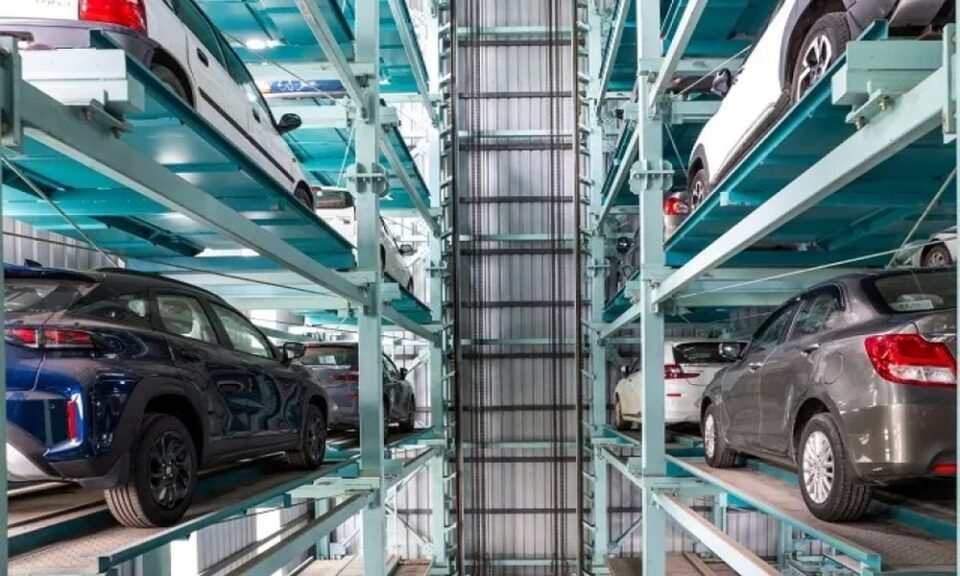
The Growing Need for Structured Parking Solutions
As cities continue to expand and vehicle ownership increases, efficient use of space has become a critical urban challenge. Parking is no longer just about availability-it is about organisation, accessibility, and flow management. Poorly managed parking areas often lead to congestion, frustration, and reduced productivity in both commercial and residential environments.
Modern infrastructure planning now places significant emphasis on controlled and optimised parking systems that can support high traffic volumes without disrupting movement patterns.
How Parking Systems Influence Urban Efficiency
Well-structured parking environments play a direct role in shaping city mobility. When vehicles are guided efficiently into designated spaces, road congestion decreases and overall traffic flow improves. This is especially important in high-density areas such as shopping districts, business zones, and transport hubs.
Advanced systems now incorporate monitoring tools, access control, and digital payment methods to streamline user experience. These innovations reduce delays and help maintain order even during peak usage hours.
The Role of Technology in Parking Management
Technology has transformed traditional parking into a more intelligent and responsive system. Sensors, automated entry barriers, and real-time occupancy tracking allow operators to manage spaces more effectively. This reduces the time drivers spend searching for parking and improves overall space utilisation.
Digital platforms also enable operators to monitor usage patterns, identify peak hours, and adjust pricing or allocation strategies accordingly. These data-driven approaches help improve long-term efficiency and resource planning.
Professional Oversight and Operational Control
Effective parking management requires more than just physical infrastructure-it demands consistent oversight and operational expertise. Professional service providers ensure that parking areas remain secure, organised, and compliant with local regulations.
In many urban environments, companies such as Parking Services play a key role in delivering structured solutions that support both property owners and users. Their focus is typically on maintaining order, improving accessibility, and ensuring smooth day-to-day operations across different types of parking facilities.
Enhancing User Experience in Public and Private Spaces
User experience is a central factor in modern parking design. Clear signage, intuitive layouts, and reliable entry and exit systems all contribute to a smoother experience for drivers. When parking facilities are easy to navigate, stress levels decrease and overall satisfaction improves.
In commercial spaces, efficient parking systems can also influence customer behavior. Easy access often leads to longer visits and improved engagement with businesses located within or near the facility.
Sustainability and Future-Oriented Parking Design
Sustainability is becoming an important consideration in urban planning, including parking infrastructure. Efficient space utilisation reduces unnecessary land expansion, while smart systems help lower energy consumption through automated controls and optimized traffic flow.
Future-focused parking strategies aim to integrate electric vehicle charging stations, digital reservation systems, and environmentally conscious design elements to support evolving transportation needs.
Building More Connected Urban Environments
Car park management is no longer a background function,it is a key component of modern city infrastructure. Well-managed parking systems contribute to smoother traffic flow, better land use, and improved urban accessibility.
As cities continue to grow, structured and technology-driven solutions will remain essential in creating efficient, user-friendly, and sustainable mobility environments.
