
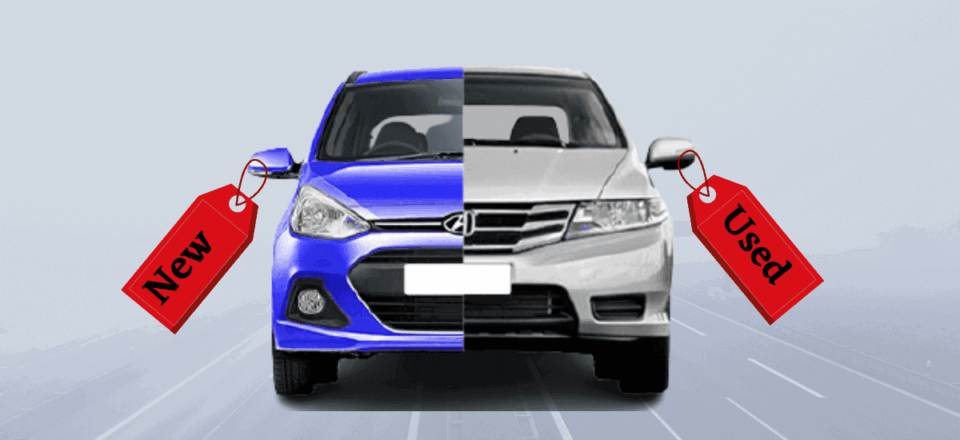
Choosing between a new car and a used car often brings mixed thoughts for buyers. Many people focus on price first, while others think about long-term value. A clear decision starts with knowing how each option fits daily needs. New cars offer current features plus a fresh condition. Used cars attract buyers through lower entry costs plus proven performance. Personal goals play a strong role in this choice. Budget plans, usage habits, plus ownership goals shape better outcomes. Clear facts remove stress from the buying process. When buyers understand value patterns plus ownership, the choice becomes easier. A balanced view supports confident decisions while reducing regret after purchase.
Buyer Choice Basics
Understanding buyer goals helps narrow the decision path. Some value freshness while others value savings. The choice should reflect daily usage plans. Informed buyers compare reliability upkeep plus resale impact before deciding. Many shoppers prefer guidance from trusted sellers, such as shop at vaughan automotive maverick toyota, which supports clear comparisons. This approach helps buyers align personal priorities with market options without pressure.
Cost Value Factors
This section highlights key pricing aspects that shape buying decisions.
- Lower starting price helps buyers manage budgets while reducing early financial pressure
- Higher initial cost reflects current features plus extended protection coverage benefits
- Ongoing maintenance expenses differ based on vehicle age plus usage history
Ownership Expectations
Ownership brings responsibility beyond purchase day. New vehicles often require fewer repairs early. Used options may need closer attention over time. Buyers should think about service schedules and part availability. Personal tolerance for upkeep matters. Clear expectations reduce stress during ownership years. Planning creates smoother vehicle use without surprises.
Warranty Coverage Details
Warranty support influences confidence during ownership periods.
- New vehicles usually include longer coverage terms, protecting against early repair costs
- Used options may offer limited plans, depending on age plus previous usage
- Extended protection choices help manage future service needs effectively
Depreciation Impact Review
Value change over time affects long-term satisfaction. New cars lose value faster during early ownership. Used cars often hold steadier worth after initial decline. Buyers seeking stability may prefer slower depreciation. Understanding this pattern helps align financial planning with ownership goals.
Inspection Importance Guide
Inspection builds trust before final decisions. Used vehicles need careful checks. Buyers should review service records plus physical condition. New vehicles still benefit from verification. A thorough review prevents unexpected issues later. This step supports confident ownership without hidden concerns.
Financing Decision Points
Financing choices influence monthly planning outcomes.
- New vehicle loans often feature lower rates, supporting predictable payment schedules
- Used vehicle financing may require higher rates based on age factors
- Clear loan terms help buyers avoid long-term payment strain
Market Timing Tips
Timing can affect overall value. Seasonal demand shifts pricing patterns. Inventory levels influence negotiation strength. Buyers who stay patient often gain better terms. Research helps identify favorable moments. Smart timing supports balanced spending without rushed choices.
Smart Buyer Path
A thoughtful approach leads to better outcomes. Buyers who review costs protection ownership needs plus timing gain clarity. Each option serves different goals. The right choice supports daily use without financial strain. Trusted guidance matters during this process. Many buyers find value when they shop at vaughan automotive maverick toyota since clear options simplify decisions. Careful evaluation builds confidence while ensuring long-term satisfaction through informed selection.
